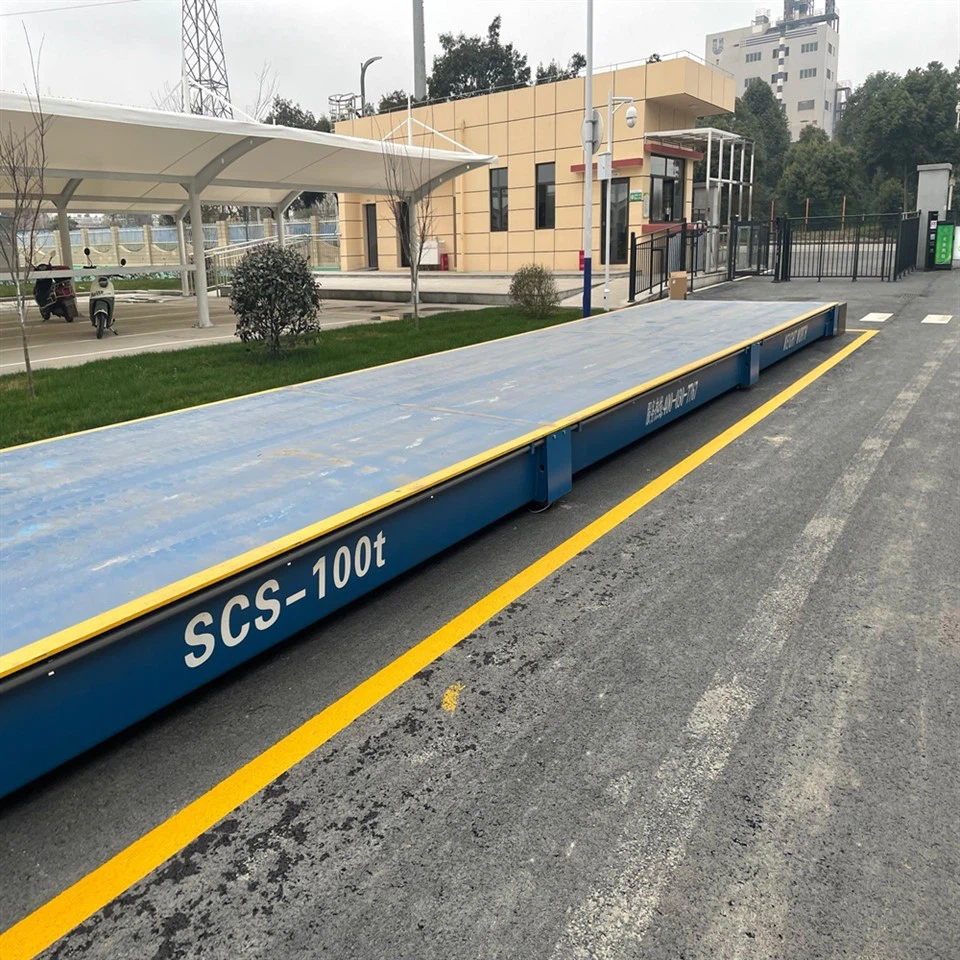
The color of ramps for floor scales can vary significantly, influenced by a multitude of factors including material, functionality, and user preference. As a supplier of Floor Scales with Ramps, understanding these aspects is crucial in providing the best products to our customers.
Common Colors of Ramps for Floor Scales
Gray
Gray is one of the most common colors for ramps used with floor scales. Carbon steel, a popular material for floor scales and their ramps, often comes in a natural gray color. Carbon Steel Floor Scales with gray ramps are widely used in industrial settings. Gray is a neutral color that can blend well with various environments. It gives a sense of durability and stability, which is in line with the function of floor scales. In warehouses, factories, and other industrial facilities, gray ramps are less likely to stand out and cause visual distractions. They can also withstand the harsh conditions of these environments, such as exposure to dirt, dust, and chemicals.
Black
Black ramps are also quite prevalent. Black is a color that exudes a sense of sophistication and modernity. It can be an excellent choice for floor scales in commercial or high - end industrial applications. For example, in a laboratory or a cleanroom environment, black ramps can add a touch of elegance while still being practical. Black ramps are often coated with a special finish that not only gives them a sleek appearance but also provides additional protection against corrosion and wear.
Yellow
Yellow is a highly visible color, and ramps painted yellow are commonly used in safety - critical areas. In industrial settings where there is a high volume of traffic, such as forklift paths or areas with moving machinery, yellow ramps can serve as a visual warning. They help to alert workers to the presence of the ramp and reduce the risk of accidents. Yellow ramps are often used in combination with floor scales in areas where there is a need to ensure the safety of personnel and equipment.
Green
Green ramps are sometimes used in environmentally - friendly or sustainable facilities. Green is associated with nature and sustainability, and using green ramps can align with the overall theme of these facilities. Additionally, green can be a calming color, which may be beneficial in work environments where stress reduction is important.
Factors Influencing the Color Choice
Functionality
The functionality of the ramp is a primary factor in determining its color. As mentioned earlier, in safety - critical areas, highly visible colors like yellow are preferred. On the other hand, in areas where the ramp needs to blend in with the surroundings, neutral colors like gray or black are more suitable. For example, in a storage area where the focus is on efficient storage and movement of goods, a gray ramp will not draw unnecessary attention.
Material
The material of the ramp also plays a role in the color choice. Carbon steel ramps are typically gray due to the natural color of the steel. Stainless steel ramps, such as those used in Stainless Steel Floor Scales, often have a silver - like finish. However, they can also be painted to match specific requirements. The type of coating or paint used on the ramp can affect its color and durability. For instance, powder - coated ramps can offer a wider range of color options and better resistance to chipping and fading.
User Preference
User preference cannot be overlooked. Some customers may have specific color requirements based on their brand identity or the overall aesthetic of their facility. For example, a company with a corporate color scheme may want the ramps to match their brand colors. In such cases, we as a supplier can work with the customer to provide custom - colored ramps.
Importance of Color in Floor Scale Ramps
Safety
As mentioned, color can play a crucial role in safety. Highly visible colors like yellow can prevent accidents by making the ramp more noticeable. In low - light conditions or areas with a lot of visual clutter, a brightly colored ramp can be a lifesaver. It helps workers and operators to identify the ramp quickly, reducing the risk of tripping or collisions.
Aesthetics
The color of the ramp can also enhance the overall aesthetics of the facility. A well - chosen color can make the floor scale and its ramp blend in seamlessly with the surrounding environment or, conversely, make a statement. In a modern office or a retail setting, an aesthetically pleasing ramp can contribute to a positive impression of the business.
Durability
The color - coating on the ramp can also contribute to its durability. A high - quality paint or coating can protect the ramp from corrosion, abrasion, and other forms of damage. For example, a powder - coated ramp in any color can provide better protection than an uncoated one.
Customizing Ramp Colors
As a supplier of Floor Scales with Ramps, we understand that different customers have different needs. That's why we offer the option to customize the color of the ramps. Whether it's a specific brand color, a color that matches the facility's interior design, or a color for safety reasons, we can work with our customers to achieve the desired result.


Our team of experts can provide advice on the best color options based on the material of the ramp, the intended use, and the environment. We use high - quality paints and coatings to ensure that the custom - colored ramps are not only aesthetically pleasing but also durable.
Conclusion
The color of ramps for floor scales is an important consideration that is influenced by multiple factors, including functionality, material, and user preference. Gray, black, yellow, and green are some of the common colors used, each with its own advantages. Whether it's for safety, aesthetics, or durability, the right color choice can enhance the performance and appearance of the floor scale and its ramp.
If you are in the market for Floor Scales with Ramps and have specific color requirements, we are here to help. Our team is ready to work with you to provide the best solution for your needs. Contact us to discuss your procurement requirements and start a productive conversation.
References
- Industrial Design Handbook: Principles and Practices
- Safety Standards for Industrial Equipment
- Color Psychology in Workplace Design