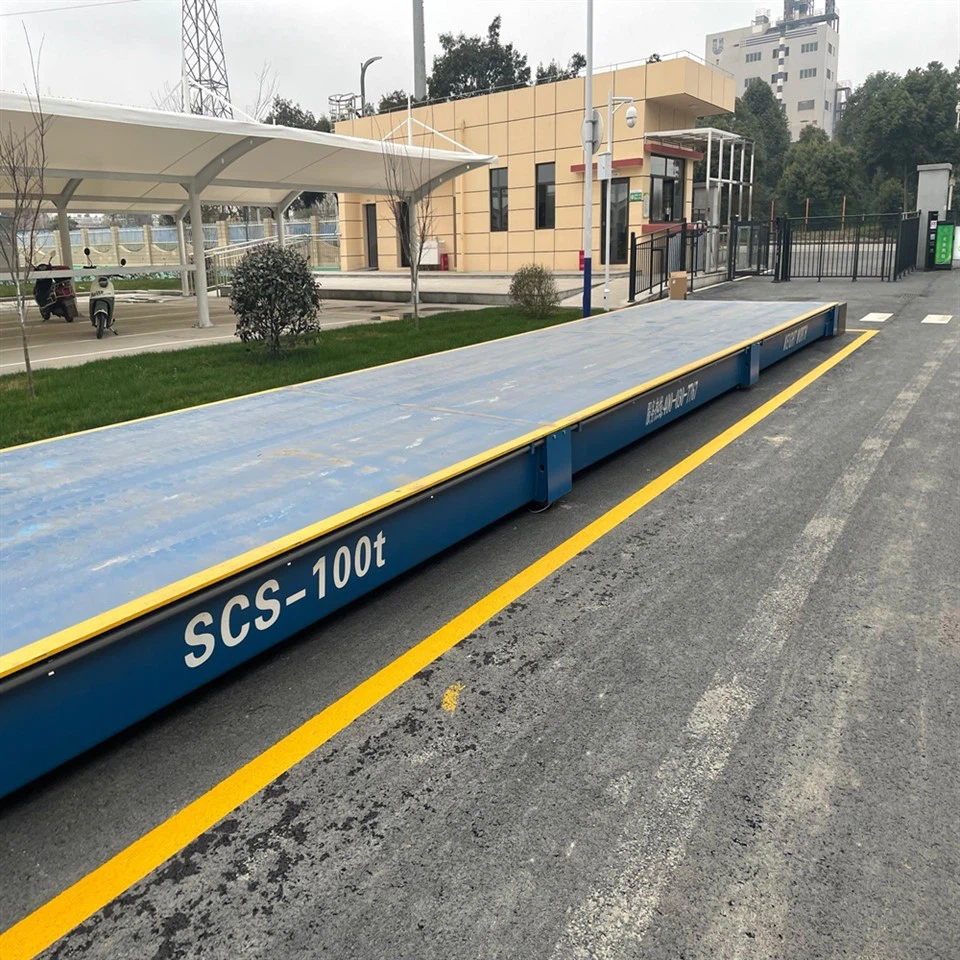
When it comes to chemical platform scales, proper installation space is crucial for ensuring their accurate operation, safety, and longevity. As a trusted supplier of Chemical Platform Scales, I have witnessed firsthand the importance of adhering to specific installation space requirements. In this blog, I will delve into the key factors to consider when determining the appropriate installation space for chemical platform scales.
General Considerations for Installation Space
Level and Stable Surface
The first and foremost requirement is a level and stable surface. Chemical platform scales rely on precise load cells to measure weight accurately. Any unevenness in the surface can lead to inaccurate readings and premature wear of the load cells. The surface should be able to support the weight of the scale itself, as well as the maximum load it is designed to handle. For example, if you have a large - capacity chemical platform scale that can handle several tons of chemicals, the floor or base on which it is installed must be structurally sound. A concrete floor is often an ideal choice as it provides a stable and level surface. It should be free from cracks, bumps, or any other irregularities that could affect the scale's performance.
Adequate Clearance
Sufficient clearance around the scale is essential. This allows for easy access to the scale for loading and unloading chemicals, as well as for maintenance and calibration. There should be at least 3 - 5 feet of clearance on all sides of the scale. This space is necessary for operators to move freely and safely, especially when handling large containers or drums of chemicals. In addition, it provides room for any auxiliary equipment that may be used in conjunction with the scale, such as conveyors or forklifts.
Protection from Environmental Factors
Chemical platform scales should be installed in an environment that protects them from extreme temperatures, humidity, and corrosive substances. High temperatures can cause the components of the scale to expand, leading to inaccurate readings. On the other hand, low temperatures can make the materials brittle and more prone to damage. Humidity can cause rusting and corrosion of the scale's metal parts, while exposure to corrosive chemicals can degrade the scale's structure and electronics. Therefore, the installation space should be climate - controlled and protected from chemical spills. If possible, install the scale in an enclosed area with proper ventilation to remove any fumes or vapors.
Specific Installation Space Requirements Based on Scale Type
Above - Ground Installation
Many chemical platform scales are installed above the ground. For these scales, the installation area should be flat and well - drained. If the scale is located in an area where there is a risk of water accumulation, such as near a water source or in an outdoor area, a raised platform or a drainage system should be installed to prevent water from pooling around the scale. Also, the area should be free from any obstacles that could interfere with the movement of the scale or the loading and unloading process.


Pit - Mounted Installation
Some chemical platform scales are pit - mounted, which can provide a more flush and convenient loading surface. When installing a pit - mounted scale, the pit should be carefully constructed. The dimensions of the pit should match the size of the scale precisely. The depth of the pit should be sufficient to accommodate the scale and any associated wiring or plumbing. It is important to ensure that the pit is waterproof to prevent water damage to the scale. Additionally, the pit should have proper ventilation to prevent the buildup of harmful gases. You can find more information about Floor Scales with Pit Frames on our website.
Safety Considerations in Installation Space
Fire and Explosion Safety
In a chemical environment, fire and explosion safety are of utmost importance. If the chemicals being weighed are flammable or explosive, the scale should be installed in a well - ventilated area away from potential ignition sources. Consider using Explosion Proof Floor Scales in such environments. These scales are designed to prevent the ignition of flammable gases or dusts, reducing the risk of fire and explosion.
Operator Safety
The installation space should also be designed with operator safety in mind. There should be clear walkways and signage to guide operators safely around the scale. The area should be well - lit to prevent accidents, especially when handling heavy or hazardous chemicals. In addition, emergency exits should be easily accessible in case of an emergency.
Compatibility with Other Equipment
If the chemical platform scale is to be integrated with other equipment, such as conveyors, printers, or data loggers, the installation space must be designed to accommodate this integration. There should be enough space for the additional equipment and for the necessary wiring and connections. For example, if a conveyor is used to load chemicals onto the scale, there should be a smooth transition between the conveyor and the scale surface. The height and alignment of the conveyor and the scale need to be carefully adjusted to ensure efficient operation.
Future Expansion and Upgrades
When planning the installation space for a chemical platform scale, it is also important to consider future expansion and upgrades. As your business grows, you may need to increase the capacity of the scale or add new features. The installation space should be designed in such a way that it allows for easy expansion. This may include leaving extra space around the scale or designing the infrastructure in a modular way.
Conclusion
In conclusion, the installation space requirements for chemical platform scales are multifaceted. They involve considerations for a level and stable surface, adequate clearance, protection from environmental factors, safety, compatibility with other equipment, and future expansion. By carefully planning and preparing the installation space, you can ensure the accurate and reliable operation of your chemical platform scale, as well as the safety of your operators and the longevity of the equipment.
If you are in the market for a high - quality chemical platform scale and need guidance on installation space requirements or any other aspects of scale selection and use, we are here to help. Our team of experts has extensive experience in providing customized solutions for various industrial weighing needs. Contact us today to start a procurement discussion and find the perfect scale for your business.
References
- "Industrial Weighing Systems: Design and Application" by John Smith
- "Safety Guidelines for Chemical Handling and Weighing" published by the National Chemical Safety Association