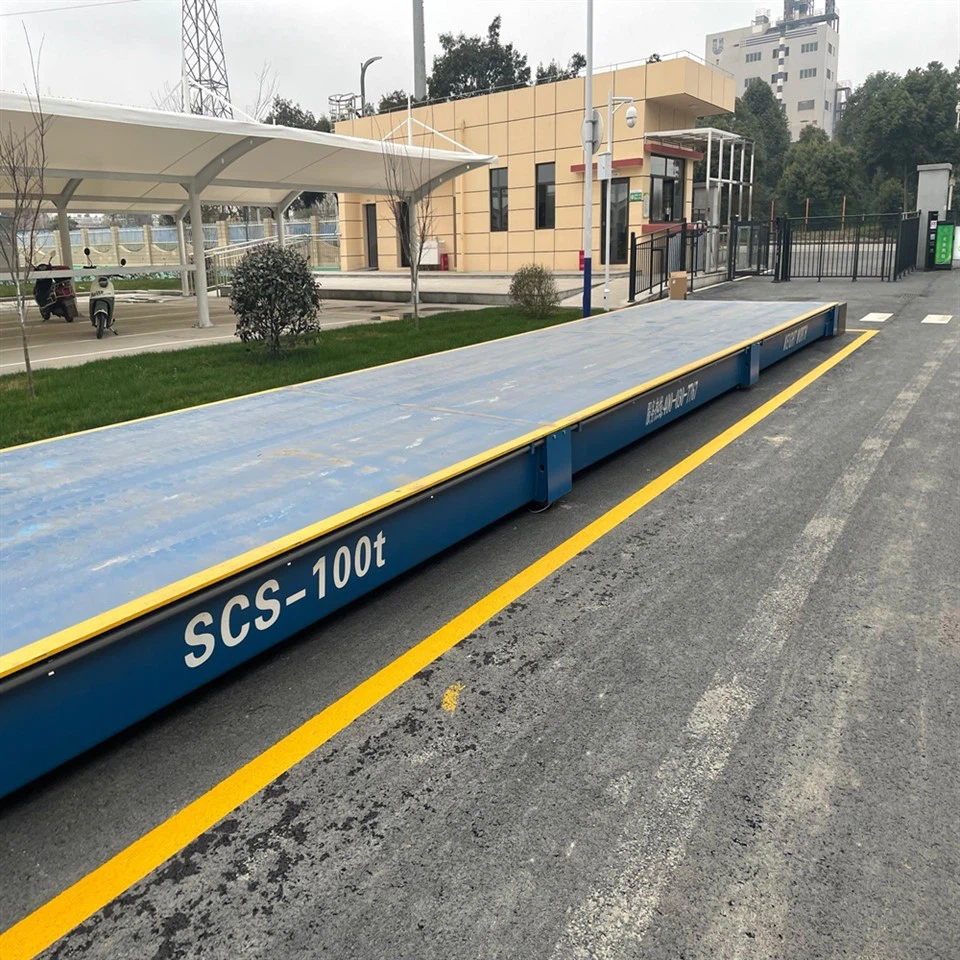
As a supplier of Chemical Platform Scales, I understand the critical importance of environmental conditions when it comes to the proper use and performance of these specialized weighing instruments. Chemical platform scales are designed to handle a wide range of substances, from basic laboratory chemicals to hazardous industrial materials. Therefore, ensuring the right environmental requirements is not only essential for accurate measurements but also for the safety and longevity of the scales.
Temperature and Humidity
One of the primary environmental factors that can significantly affect the performance of chemical platform scales is temperature. Most high - quality chemical platform scales are calibrated at a specific temperature, typically around 20°C (68°F). Deviations from this ideal temperature can lead to thermal expansion or contraction of the scale's components, which in turn can cause inaccuracies in weighing.
For example, if the temperature is too high, the metal parts of the scale may expand, altering the mechanical balance and the electrical signals sent by the load cells. On the other hand, extremely low temperatures can make the materials more brittle and may also affect the conductivity of electrical components. It is generally recommended to operate chemical platform scales in an environment where the temperature ranges between 15°C and 25°C (59°F - 77°F).
Humidity is another crucial factor. High humidity can cause corrosion of the scale's metal parts, especially if the scale is made of materials that are not highly resistant to moisture. Moisture can also seep into the electrical components, leading to short - circuits or other electrical malfunctions. Conversely, very low humidity can create static electricity, which can interfere with the accurate measurement of the scale. A relative humidity level of 40% - 60% is considered optimal for the operation of chemical platform scales.
Air Quality
The air quality in the environment where chemical platform scales are used is of utmost importance. Chemical fumes, dust, and particulate matter can have a detrimental impact on the scales. Chemical fumes from corrosive substances can corrode the scale's surface and internal components over time. For instance, fumes from strong acids or alkalis can eat away at the protective coatings of the scale, exposing the underlying metal to further damage.
Dust and particulate matter can accumulate on the load cells and other sensitive parts of the scale, affecting their ability to accurately measure weight. In industrial settings where there is a high concentration of dust, it is advisable to use scales with proper sealing and protection mechanisms. Some of our Stainless Steel Floor Scales are designed with high - quality stainless steel that is resistant to corrosion and can withstand harsh industrial environments with varying air quality.
Vibration and Shock
Vibrations and shocks can cause significant errors in the measurement of chemical platform scales. Even minor vibrations from nearby machinery, traffic, or people walking can disrupt the delicate balance of the load cells. For accurate measurements, it is essential to place the scale on a stable and vibration - free surface.
In industrial settings, where there may be a lot of heavy machinery in operation, it may be necessary to use anti - vibration pads or mounts to isolate the scale from external vibrations. Our Floor Scales with Pit Frames can be installed in a pit, which provides additional stability and reduces the impact of external vibrations.
Shocks, such as sudden impacts or drops, can also damage the internal components of the scale. Therefore, it is important to handle the scale with care during installation, operation, and transportation.
Lighting
Although not as critical as temperature, humidity, air quality, vibration, and shock, lighting can still have an impact on the usability of chemical platform scales. Adequate lighting is necessary for operators to read the scale's display accurately. Poor lighting can lead to misreading of the weight values, especially in dimly lit industrial environments or laboratories.
It is recommended to have uniform and bright lighting around the scale. Avoid direct sunlight or harsh glare, as this can also make it difficult to read the display. In some cases, scales can be equipped with backlit displays to enhance visibility in low - light conditions.
Chemical Compatibility
Since chemical platform scales are often used to weigh various chemicals, it is essential to ensure that the scale's materials are chemically compatible with the substances being weighed. Different chemicals have different levels of reactivity, and using a scale that is not resistant to a particular chemical can lead to damage.
For example, if you are weighing highly corrosive chemicals, you should choose a scale with a corrosion - resistant surface. Our Low Profile Floor Scales are available in different materials and finishes, allowing you to select the one that is most suitable for your specific chemical weighing needs.
Protection from Spills
In a chemical environment, spills are inevitable. Therefore, chemical platform scales should be designed to withstand spills and be easy to clean. Scales with smooth surfaces and rounded edges are easier to clean and less likely to trap chemicals. Some scales also come with spill - proof features, such as raised edges or sealed enclosures, to prevent chemicals from seeping into the internal components.


Conclusion
In conclusion, the environmental requirements for using chemical platform scales are diverse and complex. Temperature, humidity, air quality, vibration, shock, lighting, chemical compatibility, and protection from spills all play a crucial role in ensuring the accurate and reliable performance of these scales.
As a supplier of Chemical Platform Scales, we are committed to providing high - quality scales that can meet the demands of various environments. Our range of scales, including Stainless Steel Floor Scales, Floor Scales with Pit Frames, and Low Profile Floor Scales, are designed with these environmental factors in mind.
If you are in the market for chemical platform scales and need more information about how our products can meet your specific environmental requirements, we invite you to contact us for a detailed discussion. Our team of experts is ready to assist you in selecting the right scale for your application and ensuring that it performs optimally in your working environment.
References
- ASTM International. (20XX). Standard practices for weighing equipment in industrial and laboratory settings.
- Manufacturer's manuals for chemical platform scales.
- Industry research reports on environmental factors affecting weighing equipment.