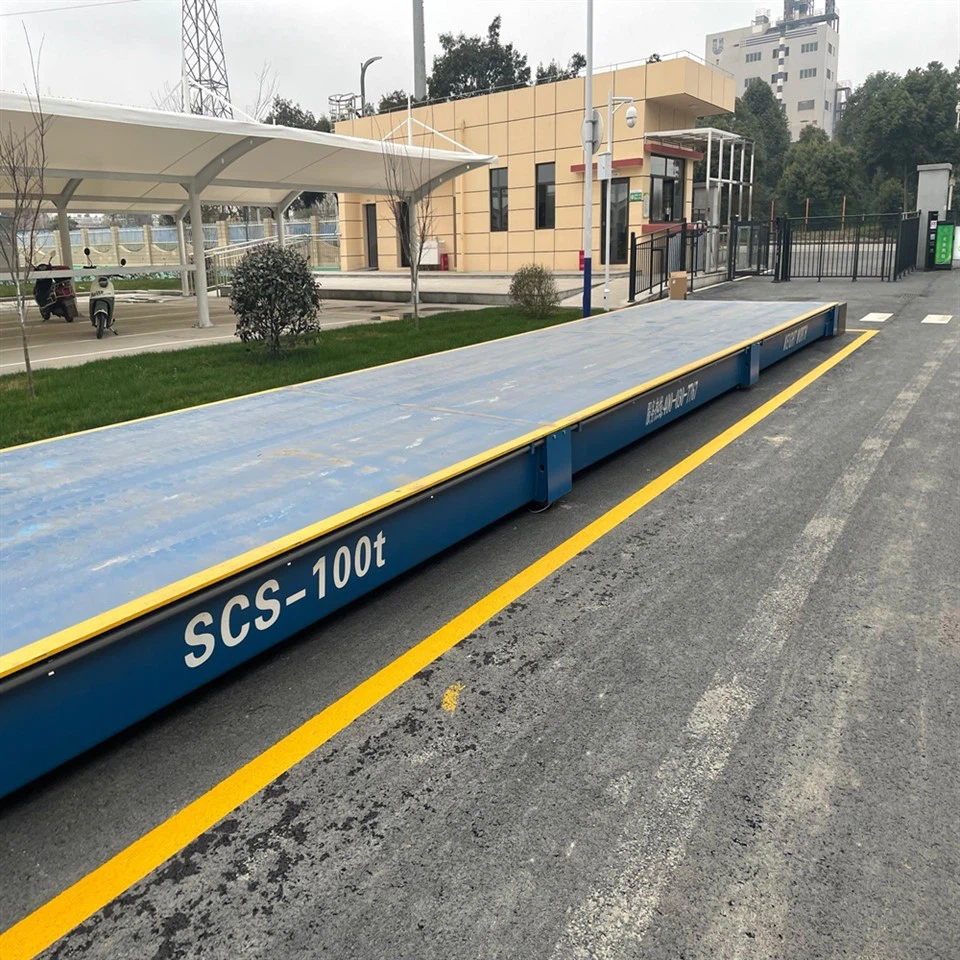
In the world of commercial transportation and logistics, truck scales play a pivotal role in ensuring accurate weight measurements. As a supplier of truck scales, I've had the privilege of witnessing firsthand the benefits they bring to businesses, such as compliance with weight regulations, fair pricing based on cargo weight, and efficient load management. However, like any technology or equipment, mechanical truck scales have their share of disadvantages. In this blog post, I'll delve into some of the drawbacks associated with using mechanical truck scales and explore why businesses might consider alternative options.

Limited Accuracy
One of the most significant disadvantages of mechanical truck scales is their limited accuracy compared to their digital counterparts. Mechanical scales rely on a system of levers, springs, and weights to measure the weight of a truck and its cargo. Over time, these mechanical components can wear out, become misaligned, or be affected by environmental factors such as temperature and humidity. As a result, the accuracy of the scale can degrade, leading to inaccurate weight measurements.
Inaccurate weight measurements can have serious consequences for businesses. For example, if a truck is weighed incorrectly and found to be overweight, the driver may face fines and penalties from regulatory authorities. On the other hand, if a truck is weighed underweight, the business may lose out on revenue by charging customers less than the actual weight of the cargo. In industries where precise weight measurements are crucial, such as agriculture, mining, and waste management, the limited accuracy of mechanical truck scales can be a significant drawback.
High Maintenance Requirements
Another disadvantage of mechanical truck scales is their high maintenance requirements. The complex mechanical components of these scales need to be regularly inspected, lubricated, and adjusted to ensure proper operation. Over time, parts may need to be replaced due to wear and tear, which can be costly and time-consuming.
In addition to routine maintenance, mechanical truck scales are also more prone to breakdowns and malfunctions compared to digital scales. When a mechanical scale breaks down, it can disrupt operations and cause delays, which can be costly for businesses. Repairing a mechanical scale often requires specialized knowledge and tools, and it may take several days or even weeks to get the scale back up and running.
Lack of Advanced Features
Mechanical truck scales typically lack the advanced features and capabilities of digital scales. For example, digital scales can be connected to a computer or network, allowing for real-time data collection, analysis, and reporting. This can provide businesses with valuable insights into their operations, such as the average weight of trucks, the frequency of overweight loads, and the efficiency of their loading processes.
Digital scales can also be integrated with other systems, such as inventory management systems and accounting software, to streamline business processes and improve efficiency. In contrast, mechanical scales require manual data entry, which is time-consuming and prone to errors.
Susceptibility to Environmental Factors
Mechanical truck scales are more susceptible to environmental factors compared to digital scales. For example, extreme temperatures, humidity, and moisture can affect the performance of the mechanical components of the scale, leading to inaccurate weight measurements. In addition, mechanical scales are more vulnerable to damage from harsh weather conditions, such as heavy rain, snow, and strong winds.
In outdoor environments, mechanical truck scales may also be exposed to dirt, dust, and debris, which can accumulate on the scale and affect its operation. Regular cleaning and maintenance are required to keep the scale in good working condition, but even with proper maintenance, mechanical scales may still be more prone to problems compared to digital scales.
Limited Capacity and Durability
Mechanical truck scales typically have a lower capacity and durability compared to digital scales. The mechanical components of these scales are designed to handle a certain amount of weight, and exceeding this capacity can cause damage to the scale. In addition, mechanical scales are more prone to wear and tear over time, especially in high-traffic areas.
In industries where heavy loads are common, such as construction and mining, mechanical truck scales may not be able to handle the weight of the trucks and their cargo. This can lead to inaccurate weight measurements and even damage to the scale. Digital scales, on the other hand, can be designed to handle much higher weights and are more durable, making them a better choice for heavy-duty applications.
Cost
While mechanical truck scales may have a lower upfront cost compared to digital scales, they can be more expensive in the long run due to their high maintenance requirements and limited lifespan. In addition, the cost of repairing a mechanical scale can be significant, especially if specialized parts or services are required.
Digital scales, on the other hand, may have a higher upfront cost, but they offer lower maintenance costs and a longer lifespan. In addition, the advanced features and capabilities of digital scales can provide businesses with significant cost savings and efficiency improvements over time.
Alternative Options
Given the disadvantages of mechanical truck scales, businesses may want to consider alternative options, such as digital truck scales or Weighing All In One Machine Intelligent Weighing System. Digital scales offer higher accuracy, lower maintenance requirements, advanced features, and greater durability compared to mechanical scales. They are also less susceptible to environmental factors and can be designed to handle higher weights.
The Weighing All In One Machine Intelligent Weighing System is a state-of-the-art weighing solution that combines the latest technology with advanced features and capabilities. This system offers real-time data collection, analysis, and reporting, as well as integration with other systems, such as inventory management systems and accounting software. It also provides businesses with valuable insights into their operations, such as the average weight of trucks, the frequency of overweight loads, and the efficiency of their loading processes.
Conclusion
In conclusion, while mechanical truck scales have been used for many years and have served businesses well, they have several disadvantages that make them less suitable for modern applications. Limited accuracy, high maintenance requirements, lack of advanced features, susceptibility to environmental factors, limited capacity and durability, and cost are some of the main drawbacks associated with using mechanical truck scales.
As a truck scale supplier, I recommend that businesses consider alternative options, such as digital truck scales or the Weighing All In One Machine Intelligent Weighing System, to meet their weighing needs. These options offer higher accuracy, lower maintenance requirements, advanced features, and greater durability, which can provide businesses with significant cost savings and efficiency improvements over time.
If you're interested in learning more about our truck scales or the Weighing All In One Machine Intelligent Weighing System, please contact us to schedule a consultation. Our team of experts will be happy to answer your questions and help you find the right weighing solution for your business.
References
- "Truck Scales: Types, Features, and Applications." Weighing Review, 2023.
- "The Advantages of Digital Truck Scales over Mechanical Scales." Scale People, 2022.
- "How to Choose the Right Truck Scale for Your Business." Scale Depot, 2021.