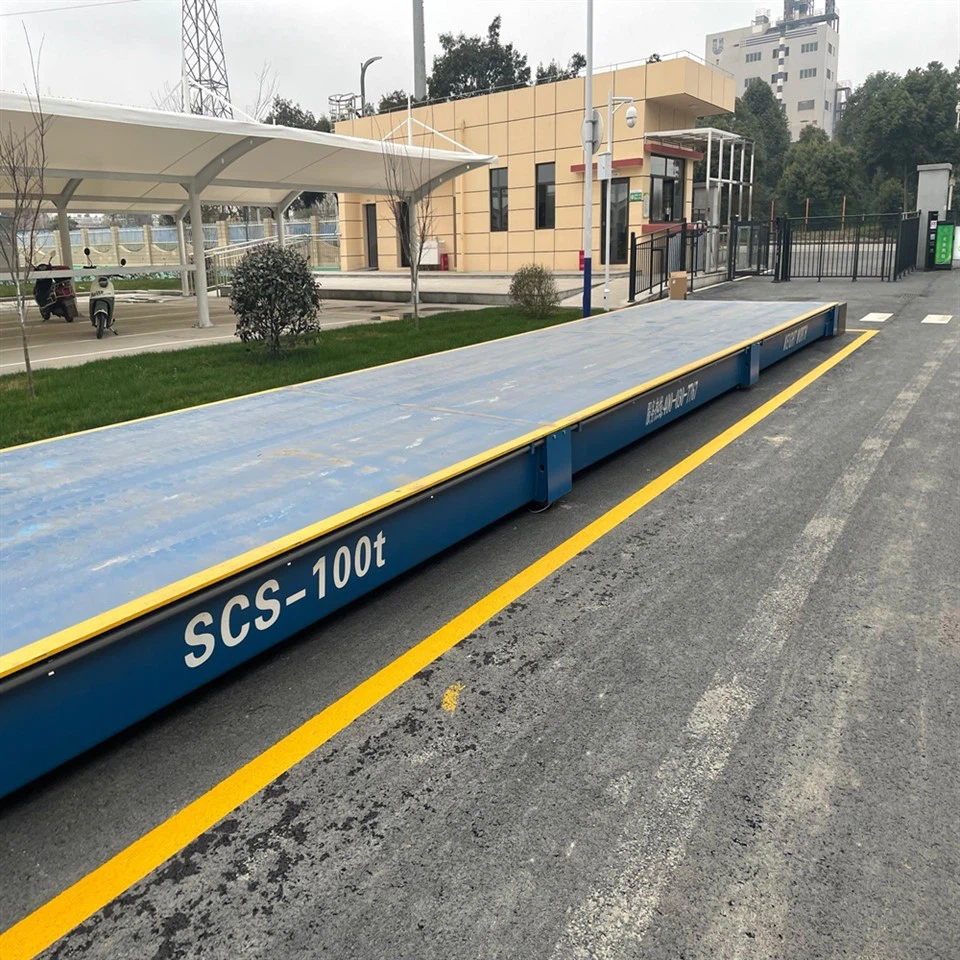
Calibration intervals for chemical platform scales are a critical aspect of maintaining accurate and reliable measurements in various industrial settings. As a supplier of Chemical Platform Scales, I understand the importance of these intervals and how they impact the performance and safety of chemical weighing operations.
Understanding Calibration
Calibration is the process of comparing a measuring instrument's output to a known standard to ensure its accuracy. For chemical platform scales, this means verifying that the scale provides correct weight measurements within an acceptable margin of error. Regular calibration is essential because scales can drift over time due to factors such as mechanical wear, environmental conditions, and electrical fluctuations.
Factors Affecting Calibration Intervals
Several factors influence the appropriate calibration intervals for chemical platform scales. These factors need to be carefully considered to determine the most suitable schedule for each scale.
1. Usage Frequency
Scales that are used frequently are more likely to experience wear and tear, which can lead to measurement inaccuracies. For example, in a busy chemical manufacturing plant where the scale is used multiple times a day, more frequent calibration may be required. On the other hand, scales that are used less often, such as in a research laboratory where weighing is done only occasionally, may not need to be calibrated as frequently.
2. Environmental Conditions
The environment in which the scale operates plays a significant role in determining calibration intervals. Harsh environments with extreme temperatures, high humidity, dust, or corrosive chemicals can accelerate the degradation of the scale's components and affect its accuracy. For instance, scales used in outdoor chemical storage facilities or in chemical processing areas with high levels of moisture and chemical fumes may require more frequent calibration. In contrast, scales used in a controlled indoor environment with stable temperature and humidity conditions can have longer calibration intervals.
3. Required Accuracy
The level of accuracy needed for the weighing application is another crucial factor. In some chemical processes, such as pharmaceutical manufacturing or high - precision chemical analysis, even a small error in weight measurement can have serious consequences. Scales used in these applications typically require more frequent calibration to ensure the highest level of accuracy. For less critical applications, where a slightly larger margin of error is acceptable, the calibration intervals can be extended.
4. Regulatory Requirements
Many industries are subject to regulatory standards that dictate the calibration frequency for weighing equipment. For example, the pharmaceutical and food industries are often required to follow strict regulations regarding the accuracy of weighing scales. Compliance with these regulations is mandatory, and failure to adhere to the specified calibration intervals can result in fines, product recalls, or other legal consequences.
Recommended Calibration Intervals
Based on the above factors, here are some general guidelines for calibration intervals for chemical platform scales:
1. High - Usage and Critical Applications
For scales that are used frequently in high - precision applications, such as in pharmaceutical manufacturing or chemical research where accuracy is of utmost importance, a calibration interval of every 3 to 6 months is recommended. These scales are often subject to strict regulatory requirements, and regular calibration helps ensure compliance and reliable results.
2. Moderate - Usage Applications
In industrial settings where the scale is used moderately, such as in a chemical distribution center or a medium - sized chemical processing plant, a calibration interval of 6 to 12 months may be appropriate. This allows for regular checks of the scale's accuracy while minimizing downtime and calibration costs.
3. Low - Usage Applications
Scales that are used infrequently, such as in small - scale chemical laboratories or educational institutions, can have calibration intervals of up to 12 to 18 months. However, it is still important to perform regular visual inspections and basic functionality checks between calibrations.
Importance of Regular Calibration
Regular calibration of chemical platform scales offers several benefits:
1. Accuracy
The primary benefit of calibration is ensuring the accuracy of weight measurements. Accurate weighing is essential for chemical processes, as it affects the quality and consistency of chemical products. Inaccurate measurements can lead to incorrect formulations, which may result in product failures or safety hazards.
2. Safety
In the chemical industry, safety is a top priority. Accurate weighing helps prevent over - or under - dosing of chemicals, which can be dangerous. For example, in a chemical reaction, an incorrect amount of a reactant can lead to an uncontrolled reaction, potentially causing explosions or the release of toxic substances.
3. Compliance
As mentioned earlier, many industries are subject to regulatory requirements regarding scale calibration. Regular calibration helps companies stay in compliance with these regulations, avoiding legal issues and maintaining a good reputation in the industry.
4. Cost - Savings
Although calibration incurs some costs, it can actually save money in the long run. By detecting and correcting inaccuracies early, companies can avoid costly product rework, waste, and potential liability claims due to inaccurate weighing.
Our Product Range
As a supplier of Chemical Platform Scales, we offer a wide range of high - quality scales to meet the diverse needs of our customers. Our Carbon Steel Floor Scales are made of durable carbon steel, suitable for heavy - duty chemical weighing applications. They are designed to withstand harsh environments and provide accurate measurements over a long period.
Our Low Profile Floor Scales are ideal for applications where a low - height scale is required, such as in conveyor systems or for easy loading and unloading of chemical containers. These scales offer high precision and reliability.
We also provide Electronic Livestock Scales, which can be used in the chemical industry for weighing large containers or equipment. These scales are equipped with advanced electronic sensors for accurate and stable measurements.


Conclusion
Calibration intervals for chemical platform scales are not one - size - fits - all. They depend on various factors such as usage frequency, environmental conditions, required accuracy, and regulatory requirements. By understanding these factors and following the recommended calibration intervals, companies can ensure the accuracy, safety, and compliance of their weighing operations.
If you are in the market for high - quality chemical platform scales or need more information about calibration services, we invite you to contact us for a detailed discussion. Our team of experts is ready to assist you in selecting the right scale for your application and developing a customized calibration schedule.
References
- ASTM International. (20XX). Standard practices for calibration of weighing equipment.
- ISO (International Organization for Standardization). (20XX). Quality management systems – Requirements for calibration of measuring equipment.
- Industry - specific regulatory guidelines for chemical manufacturing and weighing operations.