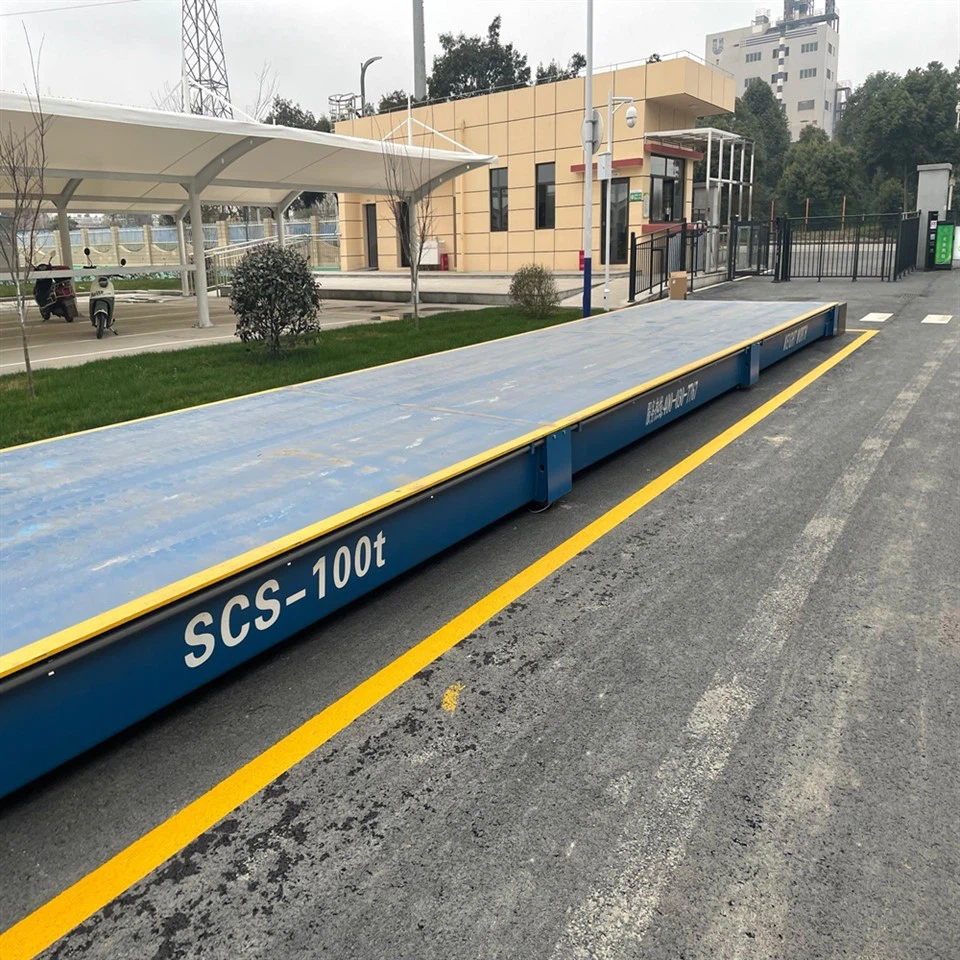
Transferring data from an industrial floor scale to a computer can significantly enhance operational efficiency, accuracy, and data management in various industrial settings. As a reputable supplier of Industrial Floor Scales, I understand the importance of seamless data transfer and the impact it can have on your business processes. In this blog post, I will guide you through the different methods and considerations for transferring data from an industrial floor scale to a computer.
Understanding the Basics of Industrial Floor Scales
Before delving into data transfer methods, it's essential to have a basic understanding of industrial floor scales. These scales are designed to handle heavy loads and are commonly used in warehouses, manufacturing plants, shipping facilities, and other industrial environments. They come in various types, including Carbon Steel Floor Scales, Stainless Steel Floor Scales, and Floor Scales with Ramps. Each type has its own unique features and advantages, depending on the specific application and requirements.
Industrial floor scales typically consist of a weighing platform, load cells, and a weighing indicator. The load cells are responsible for measuring the weight of the object placed on the platform and converting it into an electrical signal. The weighing indicator then processes this signal and displays the weight on a digital screen. To transfer this weight data to a computer, additional hardware and software components are required.
Methods of Data Transfer
There are several methods available for transferring data from an industrial floor scale to a computer. The choice of method depends on various factors, such as the scale's capabilities, the computer's operating system, the distance between the scale and the computer, and the level of automation required. Here are some of the most common methods:
1. Serial Communication
Serial communication is one of the oldest and most reliable methods of transferring data between devices. It involves sending data one bit at a time over a single communication line. Most industrial floor scales are equipped with a serial port, such as RS-232 or RS-485, which can be used to connect the scale to a computer.
To establish a serial connection, you will need a serial cable and a serial communication software on the computer. The software allows you to configure the communication settings, such as the baud rate, data bits, stop bits, and parity, to match the scale's settings. Once the connection is established, you can read the weight data from the scale and save it to a file or transfer it to a database for further analysis.
2. USB Communication
USB (Universal Serial Bus) is a widely used standard for connecting devices to a computer. Many modern industrial floor scales are equipped with a USB port, which provides a faster and more convenient way to transfer data compared to serial communication.
To connect the scale to a computer using USB, simply plug the USB cable into the scale's USB port and the computer's USB port. The computer will automatically detect the scale and install the necessary drivers. Once the drivers are installed, you can use a software application to read the weight data from the scale and perform various operations, such as printing labels, generating reports, or integrating with other software systems.
3. Ethernet Communication
Ethernet is a network communication technology that allows devices to connect to a local area network (LAN) or the internet. Industrial floor scales with Ethernet connectivity can be connected to a network switch or router, which enables them to communicate with multiple computers or servers.
To set up an Ethernet connection, you will need to configure the scale's IP address and subnet mask to match the network settings. You can then use a web browser or a dedicated software application to access the scale's web interface and read the weight data. Ethernet communication offers several advantages, such as long-distance connectivity, multiple device support, and the ability to integrate with other network-based systems.
4. Wireless Communication
Wireless communication technologies, such as Wi-Fi and Bluetooth, provide a convenient way to transfer data from an industrial floor scale to a computer without the need for cables. Wireless communication is particularly useful in applications where the scale is located in a remote or hard-to-reach area.
To use wireless communication, the scale must be equipped with a wireless module, such as a Wi-Fi or Bluetooth adapter. The computer must also have a compatible wireless network interface or a Bluetooth receiver. Once the wireless connection is established, you can use a software application to read the weight data from the scale and transfer it to the computer.
Considerations for Data Transfer
When transferring data from an industrial floor scale to a computer, there are several important considerations to keep in mind to ensure a reliable and accurate data transfer:
1. Compatibility
Make sure that the scale and the computer are compatible in terms of communication protocols and software requirements. Check the scale's user manual or contact the manufacturer to determine the supported communication methods and the software applications that can be used to transfer the data.
2. Data Security
Data security is a critical concern when transferring sensitive weight data from an industrial floor scale to a computer. Use encryption technologies, such as SSL/TLS, to protect the data during transmission. Implement access control measures, such as passwords and user authentication, to prevent unauthorized access to the data.
3. Data Integrity
To ensure the accuracy and integrity of the weight data, use error-checking mechanisms, such as parity checking or cyclic redundancy check (CRC). These mechanisms help to detect and correct any errors that may occur during data transfer.
4. Software Integration
If you plan to integrate the weight data with other software systems, such as an inventory management system or an enterprise resource planning (ERP) system, make sure that the scale's software is compatible with the target system. You may need to use a middleware or an API (Application Programming Interface) to facilitate the integration.


Conclusion
Transferring data from an industrial floor scale to a computer can provide numerous benefits, such as improved efficiency, accuracy, and data management. By choosing the right data transfer method and considering the important factors mentioned above, you can ensure a reliable and seamless data transfer process.
If you are in the market for an industrial floor scale or need assistance with data transfer, feel free to contact us. Our team of experts can help you select the right scale for your application and provide you with the necessary support and guidance to ensure a successful implementation.
References
- "Industrial Weighing Technology" by John Doe
- "Data Communication and Networking" by Richard A. Deal
- Manufacturer's user manuals and technical documentation for industrial floor scales