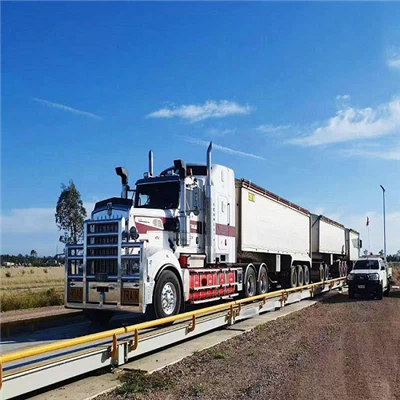
As a leading truck scales supplier, we understand the importance of accurately reading weight data from a truck scale. Whether you're in the logistics, mining, or any other industry that relies on heavy - vehicle weighing, getting precise weight measurements is crucial. This blog post aims to guide you through the process of reading weight data from a truck scale, so you can make the most out of your investment in our top - notch truck scales.
Understanding the Basics of a Truck Scale
Before we delve into reading weight data, let's briefly understand the components of a truck scale. A typical truck scale consists of a truck scale platform where the truck drives onto, load cells that convert the weight into an electrical signal, and an indicator that displays the weight.
The load cells are the heart of the system. They are placed under the platform and are designed to measure the force exerted on them by the truck. When a truck drives onto the scale, the load cells compress proportionally to the weight, generating an electrical signal. This signal is then sent to the indicator, which processes it and displays the weight.
Pre - Read Checks
Before you read the weight data, there are a few checks you should perform:
- Level Check: Ensure that the truck scale platform is level. An uneven platform can lead to inaccurate weight readings. You can use a spirit level to check the surface. If it's not level, consult with our technical support for adjustments.
- Cleanliness: Keep the scale clean. Dirt, debris, or ice on the platform can add extra weight and skew the readings. Regularly clean the platform and the area around the load cells.
- Indicator Setup: Confirm that the indicator is properly calibrated and set up for the type of weighing you're doing. This may include unit of measurement (kg, lbs, etc.), tare settings, and other relevant parameters.
Reading the Weight Data
Once the pre - read checks are complete, these are the steps to read the weight data from a truck scale:
- Tare the Scale: If you're using a container or a trailer that has a known weight, you can “tare” the scale. Taring means resetting the scale to zero with the empty container or trailer on it. This way, only the weight of the load will be measured. On most indicators, there is a “tare” button. Press it after the empty vehicle is on the scale, and the display will show zero.
- Drive the Truck Onto the Scale: Slowly drive the truck or vehicle onto the truck scale platform. Make sure the vehicle is fully on the scale and properly centered. Uneven positioning can cause inaccurate readings.
- Wait for the Reading to Stabilize: After the vehicle is on the scale, the indicator will start showing a weight value. Wait for the reading to stabilize. This may take a few seconds, depending on the scale and the vehicle. The indicator usually has a stability indicator (such as a blinking light or a specific symbol) that tells you when the reading is stable.
- Record the Weight: Once the reading is stable, record the weight shown on the indicator. Make sure to note down the unit of measurement and any other relevant information, such as the vehicle number or the time of weighing.
Types of Truck Scales and Their Reading Specifics
We offer a variety of truck scales, each with its own features and considerations for reading weight data:
Steel Deck Truck Scales
Steel deck truck scales are known for their durability and strength. When using a steel deck truck scale, the weight data is typically read in the same way as described above. However, due to the steel construction, they may be more resistant to environmental factors. The steel deck can also conduct heat better, which may be an advantage in some climates. But keep in mind that extreme temperature changes can cause slight expansions or contractions, which might affect the accuracy over time. Monitor the scale performance regularly, especially during significant seasonal changes.
ULTRA PITLESS TYPE TRUCK SCALE
The ultra - pitless type truck scale is designed for easy installation and maintenance. Since it doesn't require a pit, it can be installed in areas where excavation is difficult. The weight reading process is similar, but the lack of a pit means there's no possibility of water accumulation in a pit, which could otherwise lead to corrosion of the load cells or other components. However, the scale should be installed on a well - compacted and level surface to ensure accurate readings.
Mine Truck Scale
In the mining industry, mine truck scales need to withstand heavy loads and harsh working conditions. When reading the weight data from a mine truck scale, it's important to account for the extra dust and dirt that may accumulate on the scale. Regular cleaning is even more crucial here. Additionally, mine trucks may have large vibrations due to the rough terrain. Wait a bit longer for the reading to stabilize to ensure accuracy.
Unattended Weighbridge
An unattended weighbridge is equipped with advanced technology for automated weighing. These systems can be integrated with software that records the weight data, vehicle information, and other details automatically. To read the weight data, you can access the system through a computer or a mobile device. The software will display the weight, along with a history of previous weighings and other relevant reports.


Troubleshooting Weight Reading Issues
Sometimes, you may encounter issues while reading weight data from a truck scale:
- Inconsistent Readings: If the readings are inconsistent, it could be due to a faulty load cell, a loose connection, or an uneven platform. Check the load cells for any visible damage, inspect the wiring for loose connections, and re - check the platform level. If the problem persists, contact our technical support.
- Zero Error: If the scale doesn't read zero when it's empty, it may be out of calibration. You can try to recalibrate the scale following the manufacturer's instructions. If calibration doesn't solve the problem, it could indicate a more serious issue with the load cells or the indicator.
- No Display: If the indicator doesn't show any weight, check the power supply to the indicator and the scale. Make sure all the connections are secure. If the power is on and the connections are okay, there may be a problem with the indicator itself.
Importance of Accurate Weight Reading
Accurate weight reading from a truck scale has several benefits:
- Compliance: In many industries, there are legal requirements regarding the maximum weight a vehicle can carry. Accurate weighing ensures that you comply with these regulations, avoiding fines and legal issues.
- Cost - Efficiency: Knowing the exact weight of the load helps in optimizing the use of vehicles. You can avoid overloading, which can lead to increased fuel consumption, tire wear, and maintenance costs.
- Inventory Management: In industries where goods are weighed for inventory purposes, accurate weight data helps in tracking stock levels and ensuring proper accounting.
Conclusion
Reading weight data from a truck scale is a straightforward process when you understand the basics and follow the proper procedures. At our company, we are committed to providing high - quality truck scales that offer accurate and reliable weight measurements. Whether you choose a Steel Deck Truck Scales, an ULTRA PITLESS TYPE TRUCK SCALE, or any other type of scale from our range, we stand by our products' performance.
If you're in the market for a new truck scale or need to upgrade your existing one, we invite you to contact us for a detailed discussion. Our team of experts will be happy to help you select the right scale for your needs, provide installation support, and offer ongoing maintenance services.
References
- Handbook of Weighing Technology
- Truck Scale Operation and Maintenance Manual
- Industry Standards for Vehicle Weighing