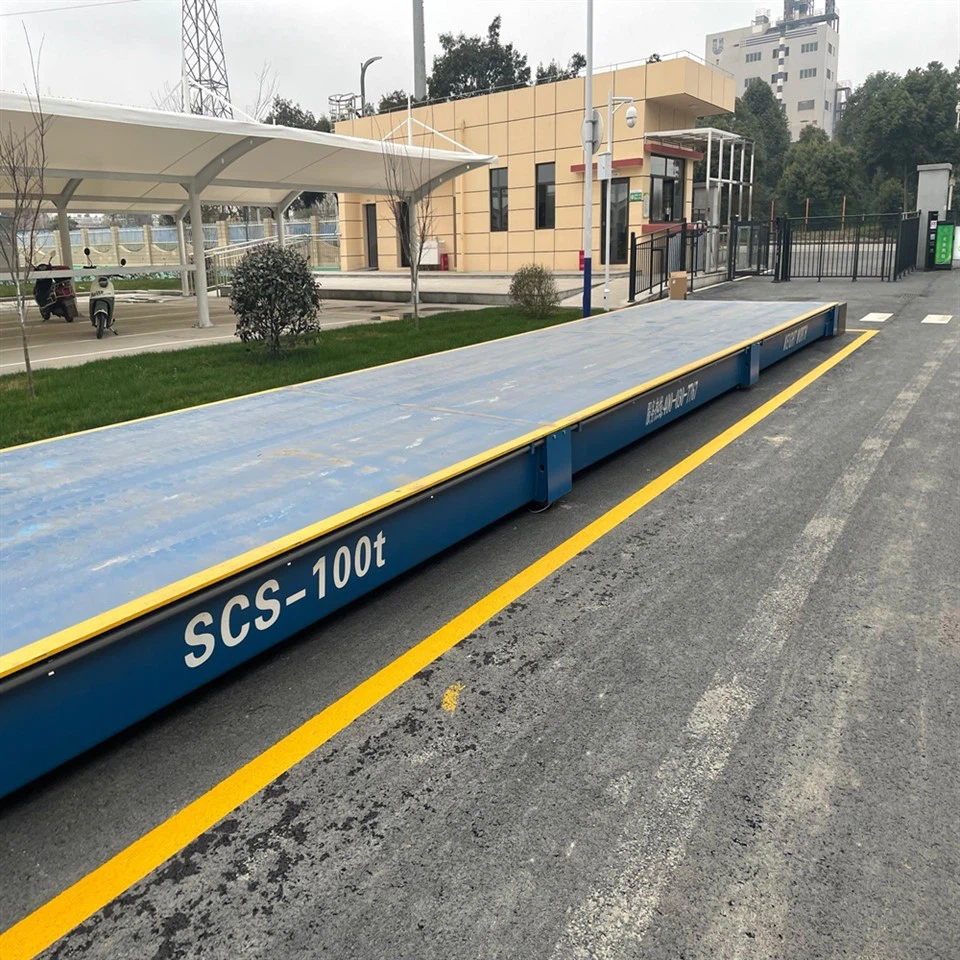
As a supplier of Low Profile Floor Scales, I've encountered numerous customers facing the challenge of leveling these scales on uneven surfaces. A properly leveled scale is crucial for accurate weight measurements, and it also ensures the longevity of the scale itself. In this blog, I'll share some practical tips on how to level low profile floor scales on uneven surfaces.
Understanding the Importance of Leveling
Before delving into the leveling process, it's essential to understand why leveling is so important. An uneven scale can lead to inaccurate weight readings, which can have significant consequences in various industries. For instance, in a manufacturing setting, inaccurate weight measurements can result in product quality issues and financial losses. Moreover, an unleveled scale can put uneven stress on its components, leading to premature wear and tear.
Assessing the Surface
The first step in leveling a low profile floor scale is to assess the surface on which it will be placed. Use a spirit level to determine the degree of unevenness. You can also visually inspect the surface for any visible bumps, dips, or slopes. This assessment will help you decide which leveling method is most appropriate.


Using Adjustable Feet
Most low profile floor scales come equipped with adjustable feet. These feet can be used to compensate for minor unevenness in the surface. Here's how you can use them:
- Place the scale on the surface and use a spirit level to check its levelness.
- If the scale is not level, adjust the feet accordingly. Turn the feet clockwise to raise the scale in that area and counterclockwise to lower it.
- Continuously check the levelness with the spirit level as you make adjustments. Repeat this process until the scale is perfectly level.
Shimming
For more significant unevenness, shimming can be an effective solution. Shims are thin pieces of material, such as plastic or metal, that can be placed under the scale's feet to level it. Here's how to use shims:
- Identify the areas of the scale that are lower. You can do this by using a spirit level or by observing which feet are not making full contact with the surface.
- Cut the shims to the appropriate size and shape. Make sure they are clean and free of debris.
- Place the shims under the feet of the scale in the low areas. Start with thin shims and add more if necessary.
- Check the levelness of the scale using a spirit level. Adjust the shims as needed until the scale is level.
Grading the Surface
In some cases, the unevenness of the surface may be too severe to be corrected by adjustable feet or shimming. In such situations, grading the surface may be necessary. This involves using tools such as a grinder or a jackhammer to remove high spots or fill in low spots. However, this method should only be used as a last resort, as it can be time-consuming and expensive.
Regular Maintenance
Once you've leveled your low profile floor scale, it's important to perform regular maintenance to ensure it remains level. Check the scale's levelness periodically using a spirit level. If you notice any changes, adjust the feet or shims as needed. Additionally, keep the surface clean and free of debris to prevent the scale from becoming unlevel over time.
Conclusion
Leveling a low profile floor scale on an uneven surface may seem like a daunting task, but with the right tools and techniques, it can be done effectively. By following the tips outlined in this blog, you can ensure accurate weight measurements and extend the lifespan of your scale.
If you're in the market for a high-quality Low Profile Floor Scales, we have a wide range of options to meet your needs. We also offer Electronic Livestock Scales and Stainless Steel Floor Scales for various applications. If you have any questions or would like to discuss your specific requirements, please don't hesitate to reach out. We're here to help you find the perfect weighing solution for your business.
References
- "Industrial Weighing Equipment: Principles and Applications" by John Doe
- "The Handbook of Scale Calibration and Maintenance" by Jane Smith