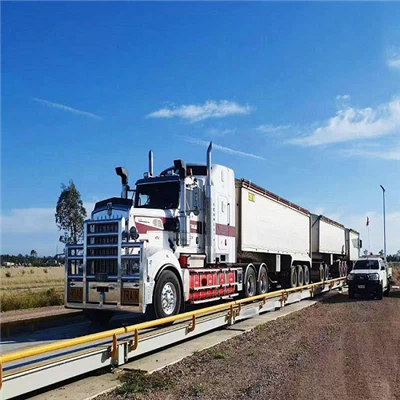
Hey there! As a weigh module supplier, I often get asked about how to level a weigh module accurately. It's a crucial step in ensuring the precision and reliability of your weighing system. In this blog, I'll share some tips and tricks on how to do it right.
First things first, let's talk about why leveling is so important. A weigh module that isn't level can lead to inaccurate weight readings. This can cause all sorts of problems, from incorrect inventory management to production issues. Plus, uneven loading on the module can put extra stress on the components, leading to premature wear and tear. So, taking the time to level your weigh module properly is definitely worth it.
Understanding the Types of Weigh Modules
Before we dive into the leveling process, it's important to understand the different types of weigh modules available. We offer a variety of options, including Static Load Weigh Modules, Dynamic Load Weigh Modules, and Explosion Proof Weigh Modules. Each type has its own unique characteristics and requirements, so make sure you choose the right one for your application.
Tools You'll Need
To level a weigh module accurately, you'll need a few essential tools. Here's what you should have on hand:


- Spirit Level: This is the most basic tool for checking the levelness of a surface. Make sure you have a good-quality spirit level that's long enough to cover the entire weigh module.
- Adjustable Wrenches: You'll need these to loosen and tighten the mounting bolts on the weigh module.
- Shims: These are thin pieces of material that you can use to adjust the height of the weigh module. You can find shims made of various materials, such as metal or plastic.
- Torque Wrench: This is used to ensure that the mounting bolts are tightened to the correct torque specification. Over-tightening or under-tightening the bolts can affect the levelness and performance of the weigh module.
Step-by-Step Guide to Leveling a Weigh Module
Now that you have the right tools, let's go through the step-by-step process of leveling a weigh module:
Step 1: Prepare the Installation Surface
Before you install the weigh module, make sure the installation surface is clean, flat, and free of any debris. Use a spirit level to check the levelness of the surface. If it's not level, you may need to use shims or a grinder to adjust it.
Step 2: Install the Weigh Module
Carefully place the weigh module on the installation surface and align it with the mounting holes. Insert the mounting bolts and hand-tighten them. Make sure the weigh module is centered and properly positioned.
Step 3: Check the Levelness
Use a spirit level to check the levelness of the weigh module in both the longitudinal and transverse directions. Place the spirit level on top of the weigh module and look at the bubble. If the bubble is not centered, the weigh module is not level.
Step 4: Make Adjustments
If the weigh module is not level, you'll need to make some adjustments. Start by loosening the mounting bolts slightly. Then, use shims to raise or lower the weigh module as needed. Place the shims under the corners of the weigh module to adjust the height. Once you've made the adjustments, use the spirit level to check the levelness again. Repeat this process until the weigh module is perfectly level.
Step 5: Tighten the Mounting Bolts
Once the weigh module is level, use a torque wrench to tighten the mounting bolts to the correct torque specification. Make sure you tighten the bolts evenly to avoid over-tightening or under-tightening.
Step 6: Recheck the Levelness
After tightening the mounting bolts, recheck the levelness of the weigh module using the spirit level. If it's still not level, you may need to make some further adjustments.
Additional Tips for Accurate Leveling
Here are some additional tips to help you level a weigh module accurately:
- Use a Laser Level: A laser level can provide a more precise and accurate way to check the levelness of the weigh module. It projects a laser beam onto the surface, allowing you to easily see any deviations from the level.
- Check the Levelness Regularly: Even after you've leveled the weigh module, it's a good idea to check the levelness regularly. Over time, the weigh module may shift or settle, causing it to become unlevel. By checking the levelness regularly, you can catch any issues early and make the necessary adjustments.
- Follow the Manufacturer's Instructions: Always follow the manufacturer's instructions when installing and leveling a weigh module. The manufacturer's instructions will provide specific guidelines and recommendations for your particular model of weigh module.
Conclusion
Leveling a weigh module accurately is an important step in ensuring the precision and reliability of your weighing system. By following the steps outlined in this blog and using the right tools, you can level your weigh module quickly and easily. Remember to check the levelness regularly and follow the manufacturer's instructions for best results.
If you have any questions or need further assistance with leveling a weigh module, please don't hesitate to contact us. We're here to help you get the most out of your weighing system. Whether you're looking for Static Load Weigh Modules, Dynamic Load Weigh Modules, or Explosion Proof Weigh Modules, we have the expertise and products to meet your needs. Contact us today to discuss your requirements and get a quote.
References
- Weigh Module Installation Manuals
- Manufacturer's Technical Documentation