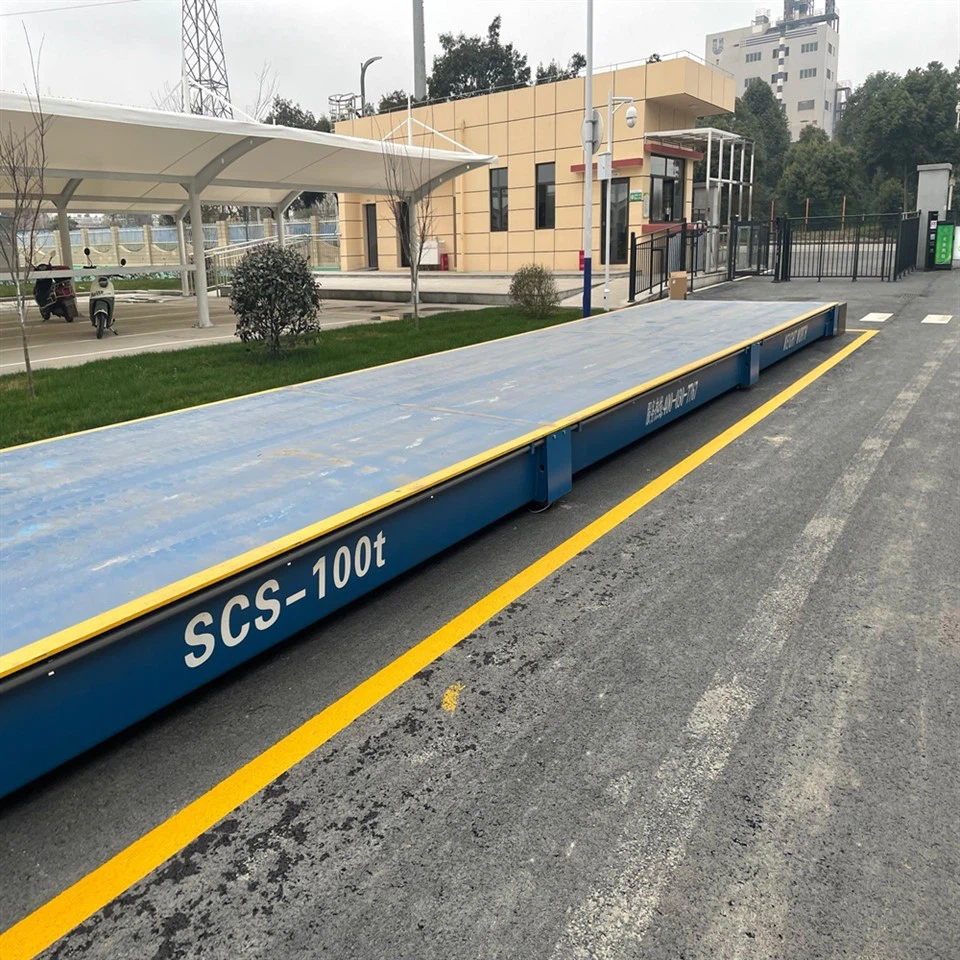
Installing ton bag scales on a forklift can significantly enhance the efficiency and accuracy of your material handling operations. As a trusted Ton Bag Scales supplier, I understand the importance of a seamless installation process. In this blog post, I'll guide you through the step - by - step process of installing ton bag scales on a forklift, ensuring that you can make the most of this valuable addition to your equipment.
Understanding Ton Bag Scales
Ton bag scales are specialized weighing devices designed to measure the weight of large, bulk bags (also known as FIBCs or flexible intermediate bulk containers) while they are being lifted by a forklift. These scales provide real - time weight data, which is crucial for inventory management, quality control, and compliance with weight regulations.


Pre - installation Preparations
Before you begin the installation process, there are several important steps to take:
- Inspect the Forklift: Check the forklift for any signs of damage or wear, especially in the forks and the hydraulic system. Ensure that the forklift is in good working condition and has the necessary capacity to handle the additional weight of the ton bag scales.
- Gather Tools and Materials: You will need a set of basic tools such as wrenches, screwdrivers, and a torque wrench. Additionally, make sure you have all the components of the ton bag scales, including the load cells, display unit, and mounting brackets.
- Read the Manual: Carefully read the installation manual provided with your ton bag scales. The manual will contain specific instructions and safety guidelines for your particular model.
Step - by - Step Installation Process
Step 1: Mount the Load Cells
The load cells are the heart of the ton bag scales. They are responsible for measuring the weight of the ton bag.
- Clean the Forks: Use a clean cloth to remove any dirt, grease, or debris from the forks of the forklift. This will ensure a secure and accurate mounting of the load cells.
- Position the Mounting Brackets: Align the mounting brackets with the holes on the forks. Make sure the brackets are centered and level. Use a spirit level to check the alignment.
- Attach the Load Cells: Place the load cells onto the mounting brackets and secure them using the bolts provided. Tighten the bolts to the recommended torque specification using a torque wrench. This will prevent over - or under - tightening, which could affect the accuracy of the scales.
Step 2: Connect the Wiring
Proper wiring is essential for the correct functioning of the ton bag scales.
- Route the Wiring: Carefully route the wiring from the load cells to the display unit. Make sure the wiring is protected from damage and does not interfere with the normal operation of the forklift.
- Connect the Load Cells to the Junction Box: If your ton bag scales have a junction box, connect the wires from the load cells to the appropriate terminals in the junction box. Follow the color - coding scheme provided in the manual.
- Connect the Junction Box to the Display Unit: Connect the output cable from the junction box to the input port of the display unit. Ensure a secure connection to prevent signal loss.
Step 3: Install the Display Unit
The display unit is where you will view the weight readings.
- Choose a Mounting Location: Select a suitable location for the display unit within easy reach of the forklift operator. The location should provide a clear view of the display without obstructing the operator's vision.
- Mount the Display Unit: Use the mounting brackets provided to attach the display unit to the forklift. Make sure it is securely fastened to prevent vibration or movement during operation.
- Power On the Display Unit: Connect the display unit to the power source of the forklift. Follow the instructions in the manual to turn on the display unit and perform any initial setup procedures.
Step 4: Calibration
Calibration is a crucial step to ensure the accuracy of the ton bag scales.
- Zero the Scales: With no load on the forks, press the "Zero" button on the display unit to set the scale to zero. This compensates for the weight of the forks and the ton bag scales themselves.
- Perform a Test Weigh: Place a known - weight object on the forks and record the weight displayed on the scale. Compare this reading with the actual weight of the object. If there is a significant difference, follow the calibration procedures in the manual to adjust the scale.
Safety Considerations
During the installation and use of ton bag scales on a forklift, safety should be your top priority.
- Follow Safety Guidelines: Always follow the safety guidelines provided in the installation manual. This includes wearing appropriate personal protective equipment (PPE) such as gloves and safety glasses.
- Avoid Overloading: Do not exceed the maximum weight capacity of the ton bag scales or the forklift. Overloading can cause damage to the equipment and pose a serious safety risk.
- Regular Maintenance: Perform regular maintenance on the ton bag scales and the forklift. This includes checking the wiring for damage, inspecting the load cells for signs of wear, and cleaning the display unit.
Other Related Scales
In addition to ton bag scales, there are other types of industrial scales that can be useful in your operations. For example, Electronic Livestock Scales are designed to accurately weigh livestock, which is important for monitoring animal health and growth. Explosion Proof Floor Scales are suitable for use in hazardous environments where there is a risk of explosion. And Low Profile Floor Scales are ideal for applications where a low - height weighing solution is required.
Conclusion
Installing ton bag scales on a forklift is a relatively straightforward process if you follow the steps outlined above. By adding ton bag scales to your forklift, you can improve the efficiency and accuracy of your material handling operations. As a Ton Bag Scales supplier, I am committed to providing high - quality products and excellent customer service. If you have any questions about the installation process or if you are interested in purchasing ton bag scales, please feel free to contact us for a detailed discussion. Our team of experts is ready to assist you in finding the best solution for your needs.
References
- Manufacturer's Installation Manual for Ton Bag Scales
- Forklift Operator's Manual
- Industry Standards for Industrial Weighing Equipment