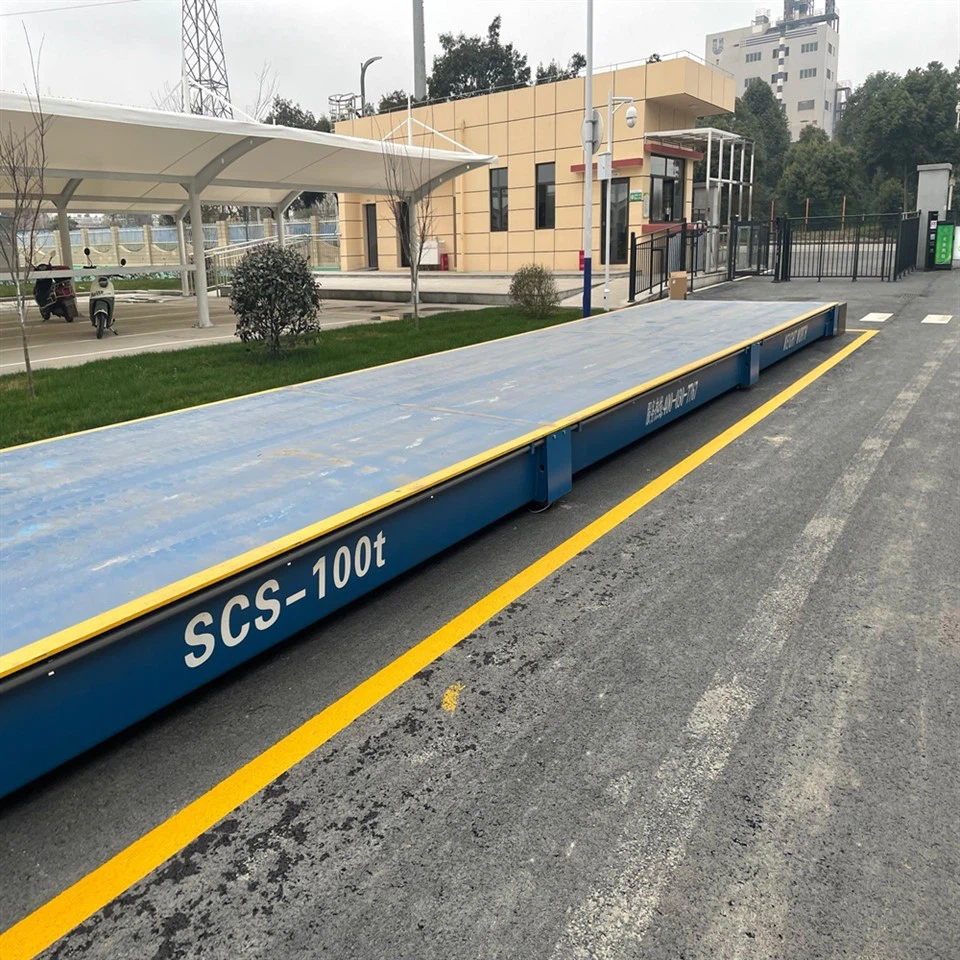
Hey there! I'm from a weighbridge supplier, and today I'm gonna walk you through how to install a surface-mounted weighbridge. It's not as complicated as it might seem, but there are some key steps you gotta follow to make sure everything goes smoothly.
Step 1: Site Preparation
Before you even think about installing the weighbridge, you need to get the site ready. First off, pick a flat and stable area. You don't want your weighbridge sitting on uneven ground, or it'll give inaccurate readings and could even cause damage over time. Use a level to check the ground and make sure it's as flat as possible.
Next, clear the area of any debris, rocks, or other obstacles. You want a clean slate to work with. Also, think about drainage. You don't want water pooling around the weighbridge, so make sure the site has proper drainage. If necessary, you can install a drainage system to keep the area dry.
Step 2: Foundation Installation
Once the site is prepped, it's time to work on the foundation. For a surface-mounted weighbridge, you'll typically use concrete footings. These footings provide a stable base for the weighbridge.
Start by marking out the area for the footings according to the manufacturer's specifications. Then, dig the holes for the footings. The depth and size of the holes will depend on the size and weight of the weighbridge. Make sure the holes are deep enough to provide adequate support.
After digging the holes, place the reinforcement bars in them. These bars will help strengthen the concrete. Then, pour the concrete into the holes and use a trowel to smooth the surface. Let the concrete cure for the recommended amount of time before moving on to the next step.
Step 3: Weighbridge Assembly
Now it's time to assemble the weighbridge. Most weighbridges come in sections, so you'll need to bolt them together. Make sure you follow the manufacturer's instructions carefully. Start by laying out the sections on the foundation and aligning them properly.
Use a torque wrench to tighten the bolts to the specified torque. This is important to ensure the weighbridge is secure and stable. Once the sections are bolted together, check the alignment again to make sure everything is straight.
Step 4: Load Cell Installation
Load cells are an essential part of the weighbridge. They measure the weight of the vehicles passing over the weighbridge. Install the load cells according to the manufacturer's instructions. Usually, they are placed at the corners of the weighbridge.
Make sure the load cells are properly aligned and level. You can use a spirit level to check this. Connect the load cells to the junction box using the appropriate cables. The junction box then connects to the weighing indicator.
Step 5: Electrical Wiring
The electrical wiring is another crucial part of the installation. Connect the weighing indicator to the junction box and make sure all the connections are secure. Use high-quality cables to prevent any electrical problems.
Also, make sure to ground the weighbridge properly. This helps protect against electrical surges and ensures accurate readings. Follow the electrical safety guidelines provided by the manufacturer.
Step 6: Testing and Calibration
Once the weighbridge is installed and the electrical wiring is done, it's time to test and calibrate it. First, do a visual inspection to make sure everything is in place and there are no loose connections.
Then, use a test weight to check the accuracy of the weighbridge. Compare the reading on the weighing indicator with the actual weight of the test weight. If there are any discrepancies, you'll need to adjust the calibration settings.
You can use the calibration software provided by the manufacturer to make these adjustments. Follow the instructions carefully to ensure accurate calibration.
Step 7: Final Checks
Before you start using the weighbridge, do a final check to make sure everything is working properly. Check the weighing indicator for any error messages. Also, test the weighbridge with different weights to make sure it gives accurate readings across the range.
If you notice any problems during the final checks, don't hesitate to contact the manufacturer or a professional technician for help.
Why Choose Our Weighbridges?
We offer a wide range of high-quality weighbridges, including the Unattended Weighbridge, which is great for businesses that need to weigh vehicles without constant supervision. Our 60 Ton Heavy-Duty Digital Truck Scale is perfect for heavy-duty applications, and our Industrial Weighing System provides accurate and reliable weighing solutions for industrial settings.


If you're interested in purchasing a weighbridge or have any questions about the installation process, don't hesitate to get in touch. We're here to help you find the right weighbridge for your needs and ensure a smooth installation.
References
- Manufacturer's installation manuals for weighbridges
- Industry standards for weighbridge installation and calibration