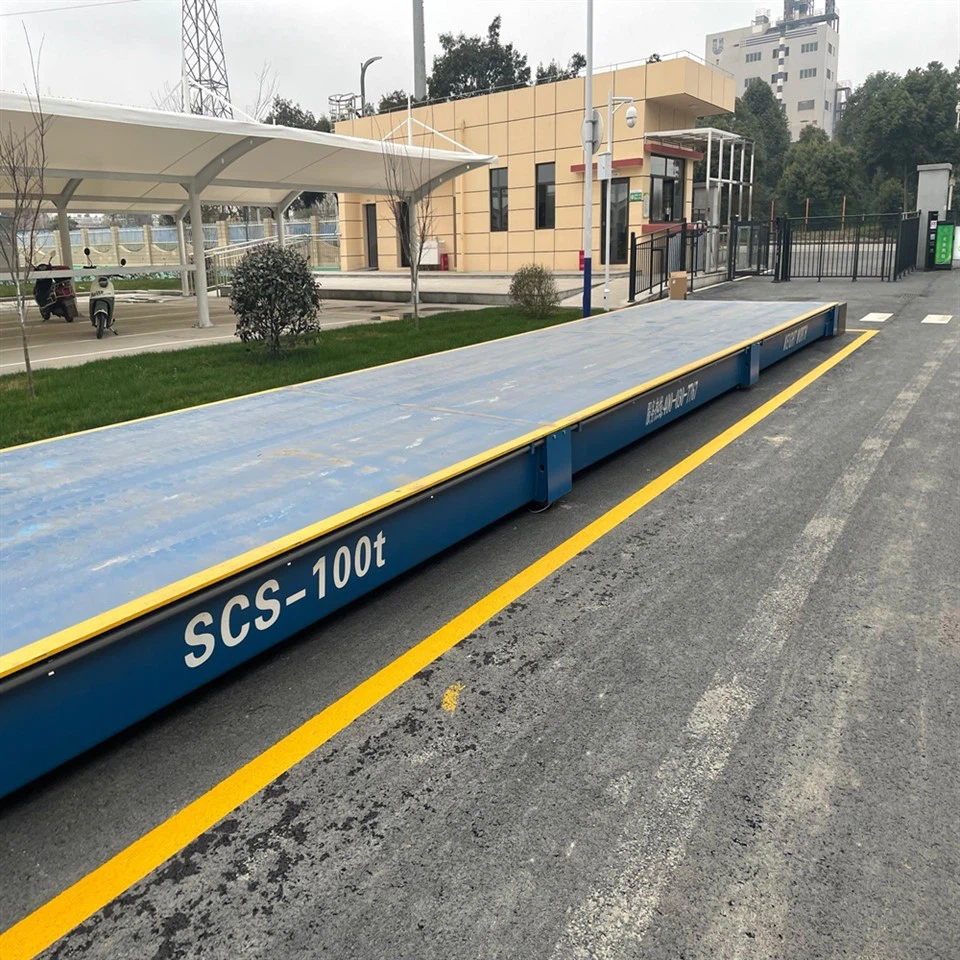
Calibrating small weighbridges is a crucial process that ensures accurate and reliable weight measurements. As a trusted supplier of small weighbridges, I understand the significance of proper calibration in maintaining the performance and integrity of these weighing systems. In this blog post, I will share some valuable insights and practical steps on how to calibrate small weighbridges effectively.
Understanding the Importance of Calibration
Before delving into the calibration process, it's essential to understand why calibration is necessary. Small weighbridges are used in various industries, including manufacturing, logistics, and agriculture, to measure the weight of goods, vehicles, and equipment. Accurate weight measurements are vital for ensuring compliance with regulations, preventing overloading, and maintaining the efficiency of operations.
Over time, factors such as wear and tear, environmental conditions, and mechanical stress can cause small weighbridges to lose their accuracy. Calibration helps to identify and correct any deviations from the standard, ensuring that the weighbridge provides consistent and reliable weight measurements. Regular calibration also helps to extend the lifespan of the weighbridge and reduce the risk of costly breakdowns.
Pre-Calibration Checks
Before starting the calibration process, it's important to perform a series of pre-calibration checks to ensure that the weighbridge is in good working condition. These checks include:
- Visual Inspection: Conduct a thorough visual inspection of the weighbridge to check for any signs of damage, wear, or corrosion. Pay special attention to the load cells, cables, and junction boxes, as these components are critical to the performance of the weighbridge.
- Cleaning: Clean the weighbridge thoroughly to remove any dirt, debris, or other contaminants that may affect the accuracy of the measurements. Use a soft brush or cloth to clean the surface of the weighbridge, and avoid using abrasive cleaners or solvents that may damage the components.
- Leveling: Check the level of the weighbridge using a spirit level or other leveling device. The weighbridge should be level within a tolerance of ± 0.5 degrees to ensure accurate weight measurements. If the weighbridge is not level, adjust the leveling feet or shims to bring it into the correct position.
- Electrical Checks: Check the electrical connections of the weighbridge to ensure that they are secure and free from damage. Use a multimeter to measure the resistance and voltage of the load cells and other electrical components, and compare the readings to the manufacturer's specifications.
Calibration Equipment
To calibrate a small weighbridge, you will need the following equipment:
- Calibration Weights: Calibration weights are used to simulate the weight of the objects being weighed on the weighbridge. The weights should be certified and traceable to a national or international standard, and they should be of the appropriate capacity and accuracy for the weighbridge being calibrated.
- Load Cell Tester: A load cell tester is used to measure the output of the load cells and to ensure that they are functioning properly. The tester should be capable of measuring the resistance, voltage, and output signal of the load cells, and it should be calibrated regularly to ensure accurate readings.
- Data Logger: A data logger is used to record the weight measurements and other calibration data during the calibration process. The data logger should be capable of storing and displaying the data in a clear and organized manner, and it should be compatible with the weighbridge and calibration equipment being used.
Calibration Process
The calibration process for a small weighbridge typically involves the following steps:
-
Zero Calibration: Zero calibration is the first step in the calibration process, and it involves setting the weighbridge to zero when there is no load on the platform. To perform zero calibration, follow these steps:
- Ensure that the weighbridge is clean and free from any debris or other contaminants.
- Remove all objects from the weighbridge platform.
- Wait for the weighbridge to stabilize and display a zero reading.
- If the weighbridge does not display a zero reading, adjust the zero setting using the calibration software or control panel.
-
Span Calibration: Span calibration is the next step in the calibration process, and it involves calibrating the weighbridge to a known weight. To perform span calibration, follow these steps:
- Place the calibration weights on the weighbridge platform in a uniform manner.
- Wait for the weighbridge to stabilize and display a weight reading.
- Compare the weight reading on the weighbridge to the known weight of the calibration weights.
- If the weight reading on the weighbridge is different from the known weight of the calibration weights, adjust the span setting using the calibration software or control panel.
- Repeat the process with different weights to ensure that the weighbridge is accurate across the entire range of its capacity.
-
Linearity Calibration: Linearity calibration is used to ensure that the weighbridge provides accurate weight measurements across the entire range of its capacity. To perform linearity calibration, follow these steps:
- Place the calibration weights on the weighbridge platform in a series of increasing or decreasing weights.
- Record the weight readings on the weighbridge for each weight increment.
- Plot the weight readings on a graph and compare them to the expected weight readings based on the known weight of the calibration weights.
- If the weight readings on the weighbridge deviate from the expected weight readings, adjust the linearity setting using the calibration software or control panel.
-
Repeatability Calibration: Repeatability calibration is used to ensure that the weighbridge provides consistent weight measurements when the same weight is weighed multiple times. To perform repeatability calibration, follow these steps:
- Place the calibration weights on the weighbridge platform and record the weight reading.
- Remove the calibration weights from the weighbridge platform and wait for the weighbridge to stabilize.
- Place the calibration weights on the weighbridge platform again and record the weight reading.
- Repeat the process at least three times and compare the weight readings.
- If the weight readings vary by more than the specified tolerance, adjust the repeatability setting using the calibration software or control panel.
Post-Calibration Checks
After completing the calibration process, it's important to perform a series of post-calibration checks to ensure that the weighbridge is functioning properly and that the calibration was successful. These checks include:


- Visual Inspection: Conduct a final visual inspection of the weighbridge to check for any signs of damage or wear that may have occurred during the calibration process.
- Weight Testing: Test the weighbridge with a known weight to ensure that it provides accurate and consistent weight measurements.
- Data Analysis: Analyze the calibration data to ensure that the weighbridge meets the required accuracy and performance standards.
- Documentation: Document the calibration process and results in a calibration certificate or report. The certificate or report should include the date of calibration, the calibration weights used, the calibration settings, and the results of the calibration checks.
Conclusion
Calibrating small weighbridges is a critical process that ensures accurate and reliable weight measurements. By following the steps outlined in this blog post, you can calibrate your small weighbridge effectively and ensure that it provides consistent and accurate weight measurements. Remember to perform regular pre-calibration checks, use the appropriate calibration equipment, and follow the manufacturer's instructions and guidelines. If you have any questions or need further assistance with calibrating your small weighbridge, please don't hesitate to contact us. We are a leading supplier of Carbon Steel Floor Scales, Low Profile Floor Scales, and Floor Scales with Pit Frames, and we are committed to providing our customers with the highest quality products and services.
References
- Manufacturer's Manuals and Documentation
- Industry Standards and Regulations
- Calibration Best Practices and Guidelines