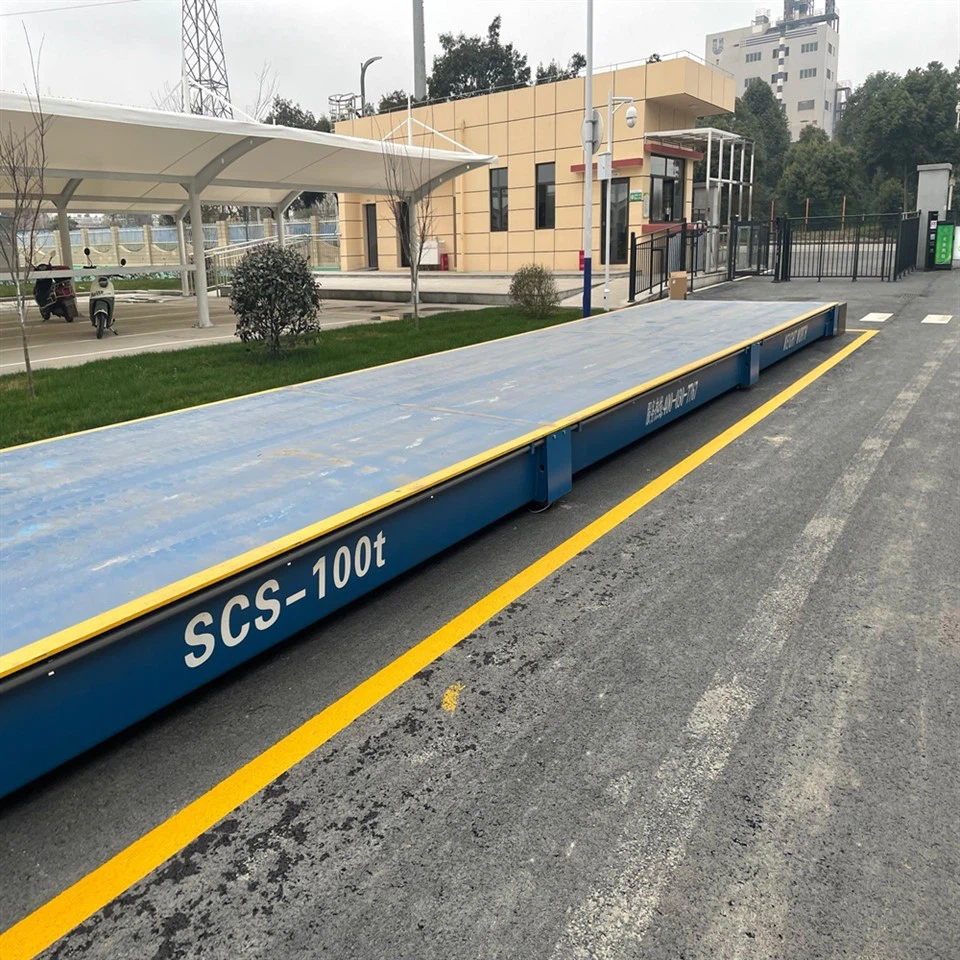
As a supplier of movable bench scales, I often receive inquiries about the transportation of these precision instruments. Movable bench scales are essential tools in various industries, from small businesses to large industrial operations. Ensuring their safe and efficient transportation is crucial to maintain their accuracy and functionality. In this blog post, I will share some insights and best practices on how to transport movable bench scales.
Understanding the Nature of Movable Bench Scales
Before delving into the transportation process, it's important to understand the characteristics of movable bench scales. These scales come in different types, including Carbon Steel Bench Scales, Stainless Steel Bench Scales, and Label Printing Bench Scales. They are designed to be portable and easy to move around, but they also contain sensitive components that can be damaged during transportation if not handled properly.
The main components of a movable bench scale typically include a weighing platform, load cells, a display unit, and sometimes additional features like printers or connectivity options. The load cells, in particular, are very sensitive and can be easily affected by shock, vibration, or improper handling. Therefore, the transportation process should be carefully planned to protect these components.
Pre - Transportation Preparations
1. Inspection
Before packing the scale for transportation, conduct a thorough inspection. Check for any visible damage, loose parts, or signs of wear and tear. Make sure the scale is calibrated correctly and functioning properly. If there are any issues, address them before shipping to avoid further problems during or after transportation.
2. Cleaning
Clean the scale to remove any dirt, debris, or residue. This not only helps to maintain the scale's appearance but also prevents any contaminants from getting into the sensitive components during transportation. Use a soft, dry cloth to wipe the surface of the scale, and for more stubborn dirt, use a mild cleaning solution recommended by the scale manufacturer.
3. Disassembly (if necessary)
Some movable bench scales can be disassembled into smaller parts for easier transportation. If your scale allows for disassembly, follow the manufacturer's instructions carefully. Remove any detachable components such as the display unit, printers, or additional accessories. Label each part clearly to ensure easy reassembly at the destination.
4. Packing Materials
Select appropriate packing materials to protect the scale during transportation. Use high - quality corrugated cardboard boxes that are slightly larger than the scale to allow for cushioning. Foam inserts, bubble wrap, or packing peanuts can be used to fill the empty spaces in the box and provide shock absorption. For the display unit and other fragile components, use anti - static bags to prevent electrostatic damage.
Packing the Scale
1. Base and Platform
Place the scale's base and platform in the center of the box. Surround it with foam inserts or bubble wrap to prevent it from moving around. Make sure the platform is flat and stable within the box to avoid any bending or warping during transportation.
2. Load Cells
The load cells are the most sensitive part of the scale. Wrap them carefully with multiple layers of bubble wrap or foam padding. Place them in a separate, well - cushioned compartment within the box or use a small box within the larger box to protect them further.
3. Display Unit and Accessories
Pack the display unit and any accessories such as printers, cables, or manuals in separate, padded compartments. Use anti - static bags for the display unit to prevent static electricity from damaging the electronic components.
4. Sealing the Box
Once all the components are packed, seal the box securely with strong packing tape. Make sure all the edges and seams are well - sealed to prevent the box from opening during transportation.
Choosing the Right Transportation Method
1. Local Delivery
If the destination is nearby, local delivery services can be a convenient option. You can use a van or a small truck to transport the scale. Make sure the vehicle is clean and dry, and the scale is secured properly to prevent it from shifting during transit.
2. Courier Services
For longer distances, courier services are a popular choice. Choose a reputable courier company that has experience in handling delicate and valuable items. Provide them with detailed information about the scale, including its weight, dimensions, and any special handling instructions.
3. Freight Shipping
For large - scale or multiple scale shipments, freight shipping may be more appropriate. Freight carriers can handle heavier and bulkier items. However, it's important to ensure that the scale is packed securely and labeled clearly with the necessary handling instructions.
During Transportation
1. Handling
Whether it's local delivery, courier service, or freight shipping, the scale should be handled with care. Train the handlers to avoid rough handling, dropping, or stacking heavy items on top of the scale's box.
2. Temperature and Humidity
Movable bench scales are sensitive to extreme temperatures and humidity. If possible, choose a transportation method that can control the environmental conditions. For example, some courier services offer climate - controlled shipping options for sensitive items.
3. Tracking
Use the tracking services provided by the transportation company to monitor the progress of the shipment. This allows you to stay informed about the scale's location and estimated delivery time.
Unpacking and Reassembly at the Destination
1. Inspection
Upon arrival at the destination, inspect the box for any signs of damage. If the box is damaged, take photos immediately and contact the transportation company and the supplier.
2. Unpacking
Carefully unpack the scale and its components. Check each part for damage during the unpacking process.


3. Reassembly
Follow the manufacturer's instructions to reassemble the scale. Make sure all the components are properly connected and tightened.
4. Calibration
After reassembly, calibrate the scale to ensure its accuracy. This step is crucial as transportation can sometimes affect the scale's calibration.
Conclusion
Transporting movable bench scales requires careful planning and attention to detail. By following the steps outlined above, you can minimize the risk of damage and ensure that the scale arrives at its destination in good working condition. Whether you are a business owner purchasing a new scale or a supplier shipping one to a customer, proper transportation is essential for the longevity and performance of the scale.
If you are interested in purchasing high - quality movable bench scales or have any questions about their transportation, please feel free to contact us. We are always ready to assist you with your procurement needs and provide you with the best solutions for your weighing requirements.
References
- Manufacturer's manuals of movable bench scales
- Industry best practices for transporting precision instruments
- Research on the impact of transportation on weighing scale accuracy