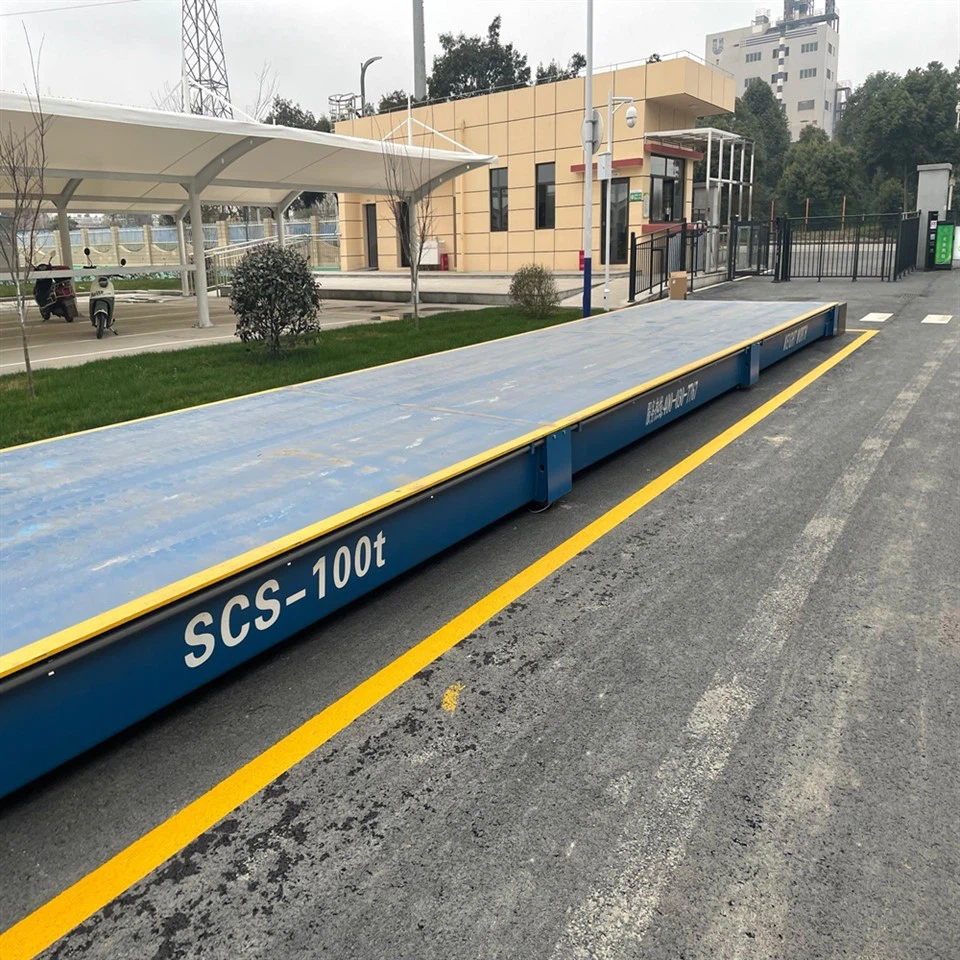
Hey there! As a supplier of Chemical Floor Scales, I often get asked about how to verify the calibration of these essential pieces of equipment. Calibration is super important because it ensures that your scale is giving you accurate measurements, which is crucial in the chemical industry where precision can make or break a process.
First off, let's talk about why calibration matters. In the chemical field, you're dealing with all sorts of substances where even a tiny error in measurement can lead to big problems. Whether you're mixing chemicals for a reaction, measuring raw materials for production, or doing quality control checks, an inaccurate scale can mess up your entire operation. It can lead to inconsistent product quality, wasted materials, and even safety hazards. So, keeping your chemical floor scales properly calibrated is a must.
So, how do you go about verifying the calibration of your chemical floor scales? Well, there are a few steps you can take.
Step 1: Visual Inspection
Before you even start with any fancy calibration tests, give your scale a good visual once - over. Look for any obvious signs of damage or wear. Check the platform for cracks, dents, or scratches that could affect its stability or accuracy. Make sure the display is clear and free of any damage, and that all the buttons and controls are working properly. Also, check the cables and connections to ensure they're not frayed or loose. If you notice any issues during this visual inspection, it's a good idea to get them fixed before proceeding with calibration.
Step 2: Check the Environment
The environment where your scale is located can have a big impact on its calibration. Chemical floor scales are sensitive to factors like temperature, humidity, and vibration. Make sure the area where the scale is placed is stable and free from excessive vibration. Avoid placing it near heavy machinery or in areas where there's a lot of foot traffic. Temperature and humidity can also cause the scale's components to expand or contract, leading to inaccurate measurements. Try to keep the scale in an environment with a stable temperature and humidity level. If possible, use a climate - controlled room.
Step 3: Use Calibration Weights
One of the most common ways to verify the calibration of a chemical floor scale is by using calibration weights. Calibration weights are standardized weights that are designed to be extremely accurate. You can purchase calibration weights from a reputable supplier. Make sure the weights you choose are appropriate for the capacity of your scale.
To use the calibration weights, start by placing the scale on a flat, level surface. Turn on the scale and let it warm up for a few minutes. Then, zero out the scale to ensure it reads zero when there's no weight on it. Place the calibration weight on the center of the scale platform. Wait for the scale to stabilize and record the reading. Compare the reading on the scale with the known weight of the calibration weight. If the reading is within the acceptable tolerance range (usually specified by the scale manufacturer), then the scale is properly calibrated. If the reading is off, you'll need to adjust the scale according to the manufacturer's instructions.


Step 4: Perform Multiple Tests
Don't just rely on one calibration weight. To get a more accurate picture of your scale's calibration, perform multiple tests using different weights. This will help you determine if the scale is accurate across its entire range of capacity. For example, if your scale has a capacity of 500 kg, you might want to test it with weights of 100 kg, 250 kg, and 500 kg. By using different weights, you can identify any potential issues with the scale's linearity. If the scale is accurate at one weight but not at others, it could indicate a problem with the load cells or the calibration settings.
Step 5: Follow Manufacturer's Instructions
Every chemical floor scale is different, and the manufacturer's instructions are your best guide when it comes to calibration. The manufacturer will provide specific instructions on how to calibrate the scale, including the recommended calibration weights, the calibration procedure, and the acceptable tolerance range. Make sure you read and follow these instructions carefully. If you're unsure about anything, don't hesitate to contact the manufacturer's customer support for assistance.
Step 6: Keep Records
It's important to keep detailed records of all your calibration activities. This includes the date of calibration, the weights used, the readings obtained, and any adjustments made to the scale. Keeping records will help you track the performance of your scale over time and ensure that it's being calibrated regularly. It can also be useful for regulatory compliance purposes, especially in industries where strict quality control standards are in place.
Now, let me tell you a bit about the different types of chemical floor scales we offer. We have Stainless Steel Floor Scales, which are perfect for environments where corrosion resistance is a must. These scales are made from high - quality stainless steel, which makes them durable and easy to clean. They're also available in a variety of capacities to suit your specific needs.
Our Low Profile Floor Scales are designed for applications where a low - height platform is required. They're ideal for use with pallet jacks and forklifts, as they allow for easy loading and unloading of heavy items. These scales are also very accurate and reliable, making them a popular choice in the chemical industry.
And if you need a scale that can be installed in a pit, we have Floor Scales with Pit Frames. These scales are designed to be flush with the floor, which provides a seamless and safe working environment. They're also very sturdy and can handle heavy loads.
If you're in the market for a chemical floor scale or need help with calibration, don't hesitate to reach out. We're here to provide you with the best products and support to ensure that your weighing needs are met. Whether you're a small - scale laboratory or a large - scale chemical manufacturing plant, we have the right scale for you.
References
- "Industrial Scale Calibration Guide", Generic Industry Publication
- Manufacturer's Manuals for Chemical Floor Scales