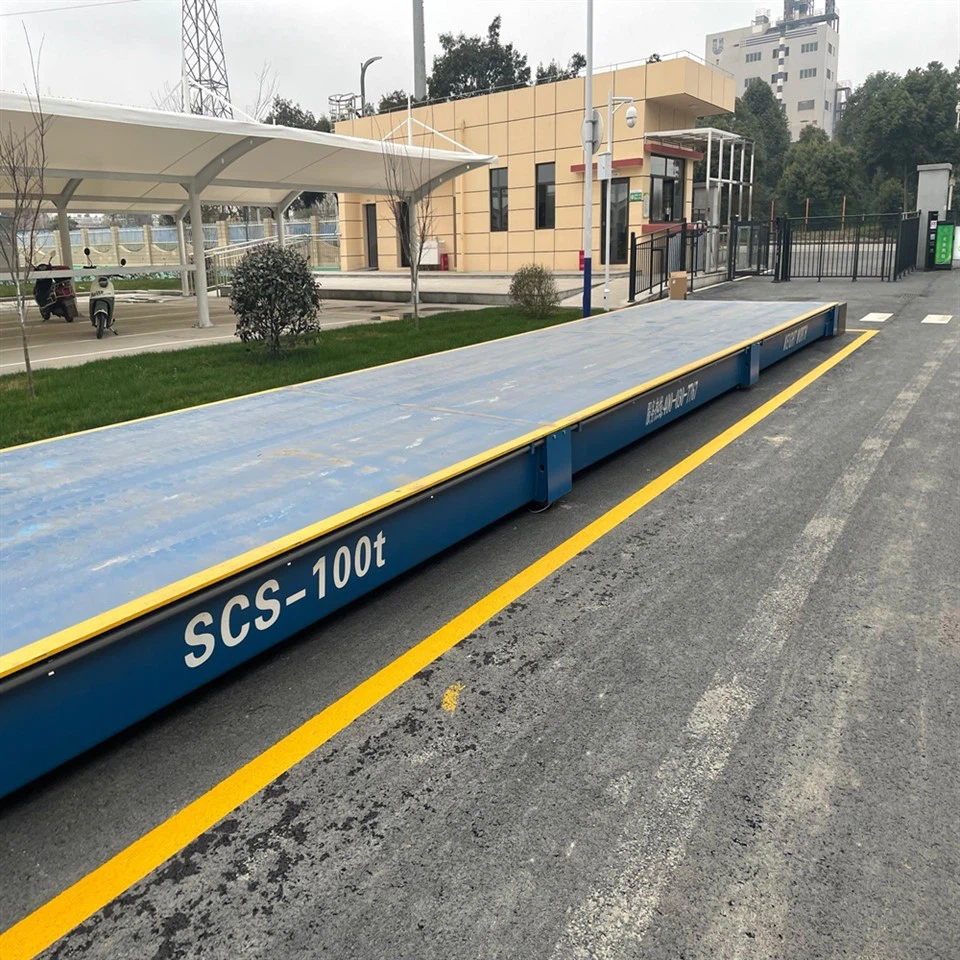
Calibrating chemical floor scales is a crucial process that ensures accurate and reliable measurements in various industrial settings. As a leading supplier of chemical floor scales, I understand the importance of proper calibration to maintain the quality and precision of these essential weighing devices. In this blog post, I will share my expertise on how to calibrate chemical floor scales effectively.
Understanding the Importance of Calibration
Before delving into the calibration process, it's essential to understand why calibration is necessary. Chemical floor scales are used to measure the weight of various substances, including chemicals, raw materials, and finished products. Inaccurate measurements can lead to a range of issues, such as incorrect dosing, product quality problems, and compliance issues. By calibrating your scales regularly, you can ensure that they provide accurate and consistent measurements, which is essential for maintaining the quality and safety of your products.
Preparing for Calibration
Before you begin the calibration process, it's important to prepare your scales and the calibration equipment. Here are the steps you should follow:
- Clean the Scales: Remove any debris, dust, or chemicals from the surface of the scales. Use a clean, dry cloth to wipe down the scales and ensure that they are free from any contaminants.
- Check the Environment: Make sure that the environment where you will be calibrating the scales is clean, dry, and free from any vibrations or drafts. These factors can affect the accuracy of the measurements.
- Gather the Calibration Equipment: You will need a set of calibrated weights that are appropriate for the capacity of your scales. Make sure that the weights are clean and free from any damage or wear.
- Review the Manufacturer's Instructions: Consult the manufacturer's instructions for your scales to ensure that you are following the correct calibration procedure. Different scales may have different calibration requirements, so it's important to follow the instructions carefully.
Performing the Calibration
Once you have prepared your scales and the calibration equipment, you can begin the calibration process. Here are the steps you should follow:
- Zero the Scales: Turn on the scales and allow them to warm up for the recommended period of time. Then, press the "Zero" or "Tare" button to reset the scales to zero.
- Place the Calibrated Weights on the Scales: Place the calibrated weights on the center of the scales. Make sure that the weights are evenly distributed and that they do not exceed the maximum capacity of the scales.
- Record the Measurements: Use a pen and paper or a digital recorder to record the measurements displayed on the scales. Make sure that you record the weight of each calibrated weight and the corresponding measurement on the scales.
- Compare the Measurements: Compare the measurements recorded on the scales with the known weight of the calibrated weights. If the measurements are within the acceptable tolerance range, the scales are calibrated correctly. If the measurements are outside the acceptable tolerance range, you will need to adjust the scales.
- Adjust the Scales: If the measurements are outside the acceptable tolerance range, you will need to adjust the scales according to the manufacturer's instructions. This may involve adjusting the calibration settings or replacing the load cells.
- Repeat the Calibration Process: Once you have adjusted the scales, repeat the calibration process using the same calibrated weights. Make sure that the measurements are within the acceptable tolerance range before using the scales for weighing.
Maintaining the Calibration
After you have calibrated your scales, it's important to maintain the calibration to ensure that they continue to provide accurate and reliable measurements. Here are some tips for maintaining the calibration of your scales:
- Calibrate the Scales Regularly: Depending on the frequency of use and the environment where the scales are located, you may need to calibrate the scales on a monthly, quarterly, or annual basis. Consult the manufacturer's instructions for the recommended calibration interval.
- Use the Scales Properly: Make sure that you are using the scales properly and that you are not overloading them. Overloading the scales can cause damage to the load cells and affect the accuracy of the measurements.
- Keep the Scales Clean: Regularly clean the scales to remove any debris, dust, or chemicals from the surface. Use a clean, dry cloth to wipe down the scales and ensure that they are free from any contaminants.
- Store the Scales Properly: When not in use, store the scales in a clean, dry, and protected environment. Make sure that the scales are not exposed to extreme temperatures, humidity, or vibrations.
Conclusion
Calibrating chemical floor scales is a crucial process that ensures accurate and reliable measurements in various industrial settings. By following the steps outlined in this blog post, you can calibrate your scales effectively and maintain the calibration to ensure that they continue to provide accurate and reliable measurements. If you have any questions or need further assistance with calibrating your scales, please don't hesitate to contact us. We are a leading supplier of chemical floor scales and other industrial weighing equipment, and we are committed to providing our customers with the highest quality products and services.


In addition to chemical floor scales, we also offer a wide range of other industrial weighing equipment, including Electronic Livestock Scales, Floor Scales with Ramps, and Carbon Steel Floor Scales. If you are interested in learning more about our products or would like to discuss your specific weighing needs, please contact us today. We look forward to working with you.
References
- Manufacturer's instructions for chemical floor scales
- Industry standards and regulations for weighing equipment calibration
- Technical literature on weighing technology and calibration methods