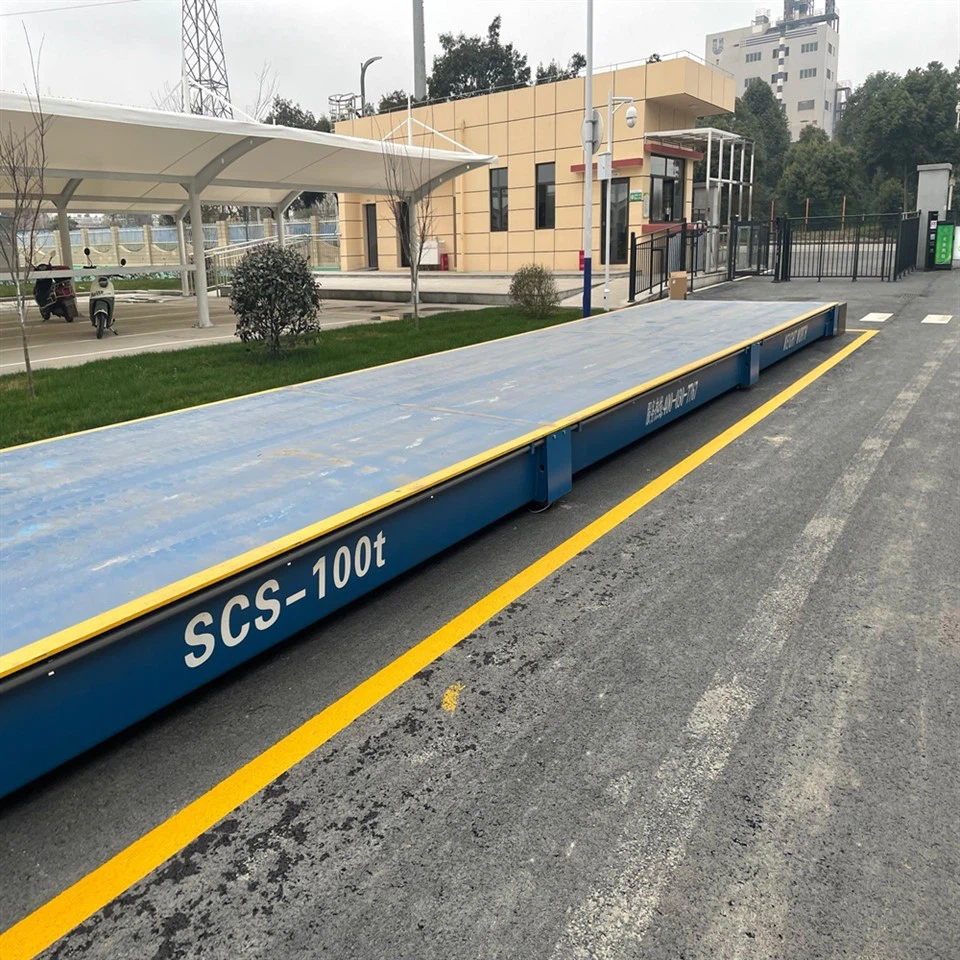
When it comes to choosing the right floor scales for your industrial or commercial needs, two popular materials often come into consideration: carbon steel and aluminum. As a supplier of carbon steel floor scales, I've witnessed firsthand the unique characteristics of each material and how they can impact the performance and suitability of the scales. In this blog post, I'll provide a detailed comparison between carbon steel floor scales and aluminum floor scales, highlighting their advantages and disadvantages to help you make an informed decision.
Strength and Durability
One of the primary factors to consider when choosing floor scales is their strength and durability. Carbon steel is known for its exceptional strength and resistance to wear and tear. It can withstand heavy loads and harsh working environments, making it an ideal choice for industries that require robust and reliable weighing solutions. Carbon steel floor scales are commonly used in applications such as manufacturing, warehousing, and logistics, where they are subjected to frequent use and heavy loads.
On the other hand, aluminum is a lighter and more corrosion-resistant material compared to carbon steel. While it may not be as strong as carbon steel, aluminum floor scales are still capable of handling moderate loads. They are often used in industries where weight is a concern, such as food processing and pharmaceutical manufacturing, where portability and ease of cleaning are important factors.


Corrosion Resistance
Corrosion is a major concern for floor scales, especially in environments where they are exposed to moisture, chemicals, or other corrosive substances. Carbon steel is prone to rusting if not properly protected, which can compromise the accuracy and reliability of the scales over time. To prevent corrosion, carbon steel floor scales are typically coated with a protective layer, such as powder coating or galvanization. These coatings provide a barrier between the steel and the environment, preventing rust and other forms of corrosion.
Aluminum, on the other hand, is naturally corrosion-resistant due to the formation of a thin oxide layer on its surface. This oxide layer acts as a protective barrier, preventing the aluminum from reacting with oxygen and other corrosive substances. As a result, aluminum floor scales are often used in industries where corrosion is a concern, such as marine and chemical processing.
Weight and Portability
Another important factor to consider when choosing floor scales is their weight and portability. Carbon steel floor scales are generally heavier than aluminum floor scales due to the density of the material. This can make them more difficult to move and install, especially in applications where frequent relocation is required. However, the added weight of carbon steel floor scales also provides stability and reduces the risk of tipping over, which is important in applications where heavy loads are being weighed.
Aluminum floor scales, on the other hand, are lighter and more portable than carbon steel floor scales. They are easier to move and install, making them a popular choice for industries where portability is a concern, such as trade shows and exhibitions. However, the lighter weight of aluminum floor scales also means that they may be less stable than carbon steel floor scales, especially when weighing heavy loads.
Cost
Cost is always a consideration when choosing floor scales. Carbon steel floor scales are generally less expensive than aluminum floor scales due to the lower cost of the material. However, the cost of carbon steel floor scales can vary depending on the size, capacity, and features of the scales. In addition, the cost of protecting carbon steel floor scales from corrosion can also add to the overall cost of the scales.
Aluminum floor scales, on the other hand, are generally more expensive than carbon steel floor scales due to the higher cost of the material. However, the cost of aluminum floor scales can also vary depending on the size, capacity, and features of the scales. In addition, the corrosion resistance of aluminum floor scales can reduce the need for costly protective coatings, which can offset the higher initial cost of the scales.
Applications
The choice between carbon steel floor scales and aluminum floor scales ultimately depends on the specific application and requirements of your business. Here are some common applications for each type of scale:
Carbon Steel Floor Scales
- Manufacturing: Carbon steel floor scales are commonly used in manufacturing plants to weigh raw materials, finished products, and equipment. They are capable of handling heavy loads and can withstand the harsh working conditions of manufacturing environments.
- Warehousing and Logistics: Carbon steel floor scales are also widely used in warehousing and logistics operations to weigh pallets, containers, and other large items. They are often integrated with conveyor systems and other material handling equipment to streamline the weighing process.
- Recycling: Carbon steel floor scales are used in recycling facilities to weigh scrap metal, paper, plastic, and other materials. They are designed to withstand the rough handling and heavy loads associated with recycling operations.
Aluminum Floor Scales
- Food Processing: Aluminum floor scales are commonly used in food processing plants to weigh ingredients, finished products, and packaging materials. They are easy to clean and sanitize, which is important in food processing environments to prevent contamination.
- Pharmaceutical Manufacturing: Aluminum floor scales are also used in pharmaceutical manufacturing plants to weigh drugs, chemicals, and other sensitive materials. They are designed to meet the strict hygiene and safety requirements of the pharmaceutical industry.
- Retail: Aluminum floor scales are often used in retail stores to weigh produce, meat, and other items. They are lightweight and easy to move, making them a convenient option for retail applications.
Conclusion
In conclusion, both carbon steel floor scales and aluminum floor scales have their own unique advantages and disadvantages. The choice between the two ultimately depends on the specific application and requirements of your business. If you need a robust and reliable weighing solution that can withstand heavy loads and harsh working environments, carbon steel floor scales may be the right choice for you. On the other hand, if you need a lightweight and portable weighing solution that is easy to clean and sanitize, aluminum floor scales may be a better option.
As a supplier of carbon steel floor scales, I'm committed to providing high-quality products and excellent customer service. If you have any questions or need further information about our carbon steel floor scales, please don't hesitate to contact us. We'll be happy to help you choose the right scale for your needs and provide you with a competitive quote.
References
- "Carbon Steel vs. Aluminum: Which is Better for Your Application?" Metal Supermarkets, https://www.metalsupermarkets.com/carbon-steel-vs-aluminum/.
- "Floor Scales: A Buyer's Guide." Industrial Scale Company, https://www.industrialscalecompany.com/floor-scales-buyers-guide/.
- "The Advantages of Aluminum Floor Scales." Scale Depot, https://www.scaledepot.com/blog/advantages-of-aluminum-floor-scales/.