When it comes to industrial weighing solutions, carbon steel bench scales have long been a staple due to their durability, affordability, and reliability. However, a common question that arises, especially in certain industrial settings, is how these scales perform in high - temperature environments. As a leading supplier of carbon steel bench scales, I've had the opportunity to explore this topic in depth and share some insights.
Understanding Carbon Steel Bench Scales
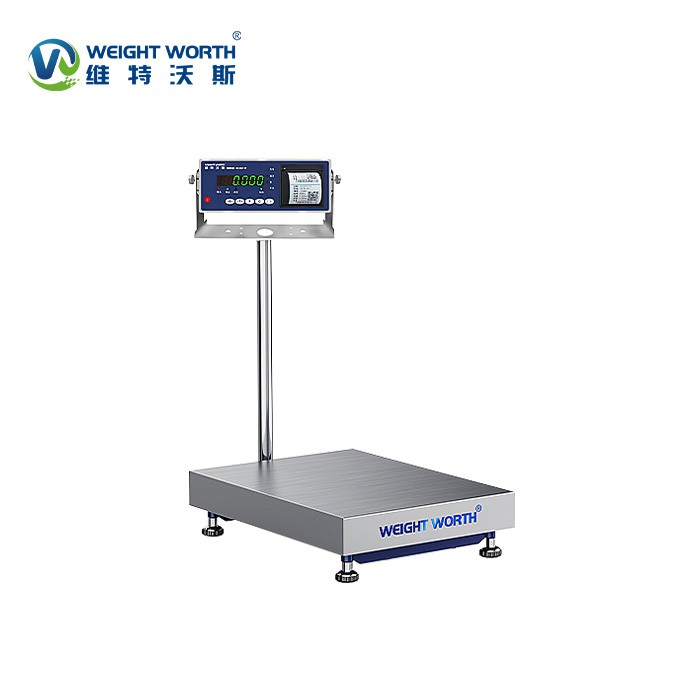
Before delving into their performance in high - temperature environments, let's briefly understand what carbon steel bench scales are. These scales are constructed primarily from carbon steel, a material known for its strength and resistance to wear and tear. They are designed to be placed on a bench or tabletop, providing a convenient and stable platform for weighing various items, from small parts in a manufacturing facility to ingredients in a food processing plant.
Carbon steel bench scales come in different types and configurations to meet diverse industrial needs. For instance, Label Printing Bench Scales are equipped with printing capabilities, allowing users to generate labels with weight information directly on the spot. Movable Bench Scales offer the flexibility to be moved around the workplace as needed, while Explosion Proof Bench Scales are designed for use in hazardous environments where there is a risk of explosion.
Effects of High Temperatures on Carbon Steel Bench Scales
High temperatures can have several effects on carbon steel bench scales, both on the mechanical and electronic components.
Mechanical Effects
- Thermal Expansion: Carbon steel, like any other metal, expands when exposed to high temperatures. This thermal expansion can cause the scale's platform to warp or distort. A warped platform can lead to inaccurate weight measurements as the load may not be evenly distributed across the weighing surface. For example, in a foundry where the ambient temperature can reach several hundred degrees Celsius, the continuous expansion and contraction of the carbon steel platform can gradually affect its flatness and alignment, resulting in measurement errors.
- Component Wear: High temperatures can accelerate the wear and tear of mechanical components such as springs, bearings, and linkages. The increased heat can cause lubricants to break down more quickly, leading to increased friction between moving parts. This can result in premature failure of these components, reducing the overall lifespan of the scale.
Electronic Effects
- Sensor Performance: The load cells, which are the heart of any electronic scale, are particularly sensitive to temperature changes. High temperatures can cause the resistance of the strain gauges in the load cells to change, leading to inaccurate output signals. This can result in weight readings that are either higher or lower than the actual weight. Additionally, extreme temperatures can also affect the stability of the load cell's output, causing fluctuations in the weight display.
- Circuit Board Damage: The electronic circuit boards in the scale are also vulnerable to high temperatures. Excessive heat can cause solder joints to weaken, components to overheat, and electronic signals to become distorted. This can lead to malfunctions such as intermittent display errors, unresponsive buttons, or even complete failure of the scale's electronic system.
Mitigating the Effects of High Temperatures
Despite the challenges posed by high - temperature environments, there are several strategies that can be employed to ensure the reliable performance of carbon steel bench scales.
Design Considerations
- Heat - Resistant Materials: When manufacturing carbon steel bench scales for high - temperature applications, using heat - resistant materials in critical components can significantly improve their performance. For example, using high - temperature lubricants for mechanical parts and heat - resistant circuit boards and components in the electronic system can help withstand the effects of heat.
- Insulation and Cooling: Incorporating insulation materials around the load cells and electronic components can help protect them from the direct effects of high temperatures. Additionally, some scales are equipped with cooling systems such as fans or heat sinks to dissipate heat and maintain a stable operating temperature.
Operational Considerations
- Proper Placement: Placing the scale in a location where it is shielded from direct heat sources can help reduce the impact of high temperatures. For example, installing the scale in an enclosed area with proper ventilation or using heat shields can help maintain a more stable operating environment.
- Regular Maintenance: Regular maintenance is crucial for ensuring the long - term performance of carbon steel bench scales in high - temperature environments. This includes cleaning the scale to remove any debris or contaminants that may accumulate due to the high - temperature conditions, checking and replacing lubricants, and inspecting the mechanical and electronic components for signs of wear or damage.
Real - World Applications and Case Studies
In industries such as food processing, foundries, and chemical manufacturing, carbon steel bench scales are often used in high - temperature environments.
In a food processing plant, where ovens and cooking equipment generate high levels of heat, carbon steel bench scales are used to weigh ingredients and finished products. By implementing proper design and operational strategies, these scales can continue to provide accurate and reliable weight measurements, ensuring the quality and consistency of the food products.

In a foundry, where molten metal is handled at extremely high temperatures, carbon steel bench scales are used to weigh raw materials and finished castings. Despite the harsh environment, with the use of heat - resistant materials and cooling systems, these scales can withstand the high temperatures and provide essential weighing functions for the production process.
Conclusion
In conclusion, while high - temperature environments pose significant challenges to the performance of carbon steel bench scales, with proper design, operational strategies, and regular maintenance, these scales can continue to provide reliable and accurate weighing solutions. As a supplier of carbon steel bench scales, we are committed to developing and providing scales that are specifically designed to meet the demands of high - temperature applications.
If you are in need of a carbon steel bench scale for a high - temperature environment or have any questions about our products, we encourage you to contact us for a detailed discussion. Our team of experts is ready to assist you in selecting the right scale for your specific needs and provide you with the best possible solutions.
References
- "Industrial Weighing Technology: Principles and Applications" by John Doe
- "Effects of Temperature on Electronic Scales" - Journal of Weighing Science
- Manufacturer's Technical Manuals for Carbon Steel Bench Scales