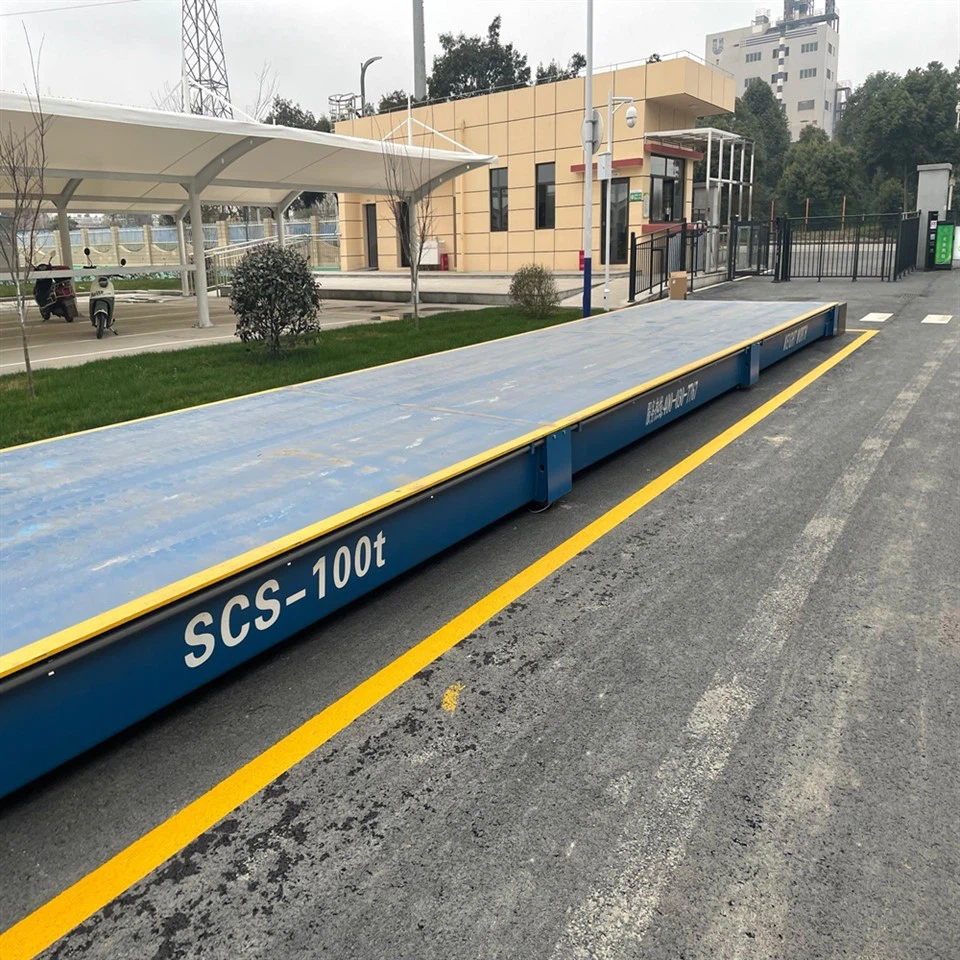
Unattended truck scales have become an integral part of modern logistics and transportation industries. As a supplier of Unattended Truck Scales, I often receive inquiries about the accuracy of these systems. In this blog post, I will delve into the factors that affect the accuracy of unattended truck scales and provide insights into how we ensure high - precision measurements.
Understanding the Basics of Unattended Truck Scales
Unattended truck scales are designed to operate without direct human supervision. They use advanced technology such as load cells, digital sensors, and automation software to weigh trucks efficiently. These scales are commonly used in applications like waste management, agriculture, and freight transportation, where large volumes of trucks need to be weighed quickly and accurately.
Factors Affecting the Accuracy of Unattended Truck Scales
1. Load Cell Quality
Load cells are the heart of any truck scale. They convert the force exerted by the truck into an electrical signal that can be measured and converted into a weight reading. High - quality load cells are crucial for accurate measurements. At our company, we source load cells from reputable manufacturers that adhere to strict quality control standards. These load cells are designed to be highly sensitive and can accurately measure weights within a specific range. For example, our load cells can typically measure weights with an accuracy of ±0.1% to ±0.2% of the applied load.
2. Installation and Foundation
Proper installation and a stable foundation are essential for the accuracy of unattended truck scales. If the scale is not installed correctly, it can lead to uneven weight distribution and inaccurate readings. The foundation should be able to support the weight of the trucks and any additional loads without settling or shifting. We recommend a concrete foundation that is at least 6 - 8 inches thick and properly reinforced. During the installation process, our technicians ensure that the scale is level and aligned correctly to minimize any potential errors.
3. Environmental Conditions
Environmental factors such as temperature, humidity, and vibration can also affect the accuracy of unattended truck scales. Extreme temperatures can cause the load cells and other components to expand or contract, leading to inaccurate readings. High humidity can cause corrosion and damage to the electrical components. Vibration from nearby traffic or machinery can also interfere with the measurement process. To mitigate these effects, our unattended truck scales are equipped with temperature - compensated load cells and are designed to be resistant to environmental factors. We also offer optional enclosures and shelters to protect the scale from harsh weather conditions.
4. Calibration
Regular calibration is necessary to maintain the accuracy of unattended truck scales. Calibration involves comparing the scale's readings to a known standard weight. We recommend calibrating the scale at least once a year, or more frequently if the scale is used in a high - traffic or harsh environment. Our company provides calibration services using certified weights to ensure that the scale is accurate within the specified tolerance.


Technologies Ensuring Accuracy
Digital Signal Processing
Many of our Unattended Truck Scales use digital signal processing (DSP) technology. DSP allows for more accurate and reliable weight measurements by filtering out noise and interference from the electrical signals generated by the load cells. This technology can also compensate for small variations in the load cell output, resulting in more consistent and accurate readings.
Advanced Software Algorithms
Our unattended truck scale systems are equipped with advanced software algorithms that analyze the weight data in real - time. These algorithms can detect and correct for errors caused by factors such as uneven weight distribution, dynamic loading, and vehicle speed. For example, if a truck enters the scale at an angle, the software can adjust the weight reading to account for the uneven distribution of weight.
Comparing Unattended Truck Scales with Other Types
Steel Deck Truck Scales
Steel Deck Truck Scales are another popular type of truck scale. While they offer durability and a relatively low cost, their accuracy can be affected by factors such as corrosion and wear. Unattended truck scales, on the other hand, are often equipped with more advanced technology and can provide higher accuracy, especially when combined with proper maintenance and calibration.
Digital Portable Truck Scales
Digital Portable Truck Scales are designed for temporary or mobile weighing applications. They are generally less accurate than permanent unattended truck scales due to their smaller size and less stable installation. Unattended truck scales, being fixed - in - place systems, can provide more consistent and accurate measurements over time.
Real - World Applications and Accuracy Requirements
In different industries, the accuracy requirements for unattended truck scales vary. In the waste management industry, for example, accurate weighing is crucial for billing customers based on the weight of the waste they dispose of. A small error in weight measurement can lead to significant financial losses or disputes. In the agricultural industry, accurate weighing is important for determining the yield of crops and for ensuring compliance with regulations. Our unattended truck scales can meet the accuracy requirements of these industries, providing reliable and precise weight measurements.
Our Commitment to Accuracy
As a supplier of unattended truck scales, we are committed to providing our customers with high - accuracy weighing solutions. We conduct rigorous quality control tests on all our products before they are shipped to ensure that they meet or exceed industry standards. Our team of experts is available to provide technical support and advice on installation, calibration, and maintenance to ensure that our customers get the most accurate and reliable performance from their unattended truck scales.
Conclusion
The accuracy of unattended truck scales depends on several factors, including load cell quality, installation, environmental conditions, and calibration. By using high - quality components, advanced technology, and proper installation and maintenance procedures, we can ensure that our unattended truck scales provide accurate and reliable weight measurements. Our products are designed to meet the diverse accuracy requirements of different industries, making them a valuable asset for businesses that rely on precise weighing.
If you are in the market for an unattended truck scale and are looking for a reliable and accurate solution, we invite you to contact us for a consultation. Our team can help you select the right scale for your specific needs and provide you with detailed information on pricing and installation. Let us help you take your weighing operations to the next level with our high - accuracy unattended truck scales.
References
- ASTM International. (2019). Standard Specification for Weigh - in - Motion Systems. ASTM E1318 - 19.
- National Conference on Weights and Measures (NCWM). (2020). Handbook 44 - Specifications, Tolerances, and Other Technical Requirements for Weighing and Measuring Devices.