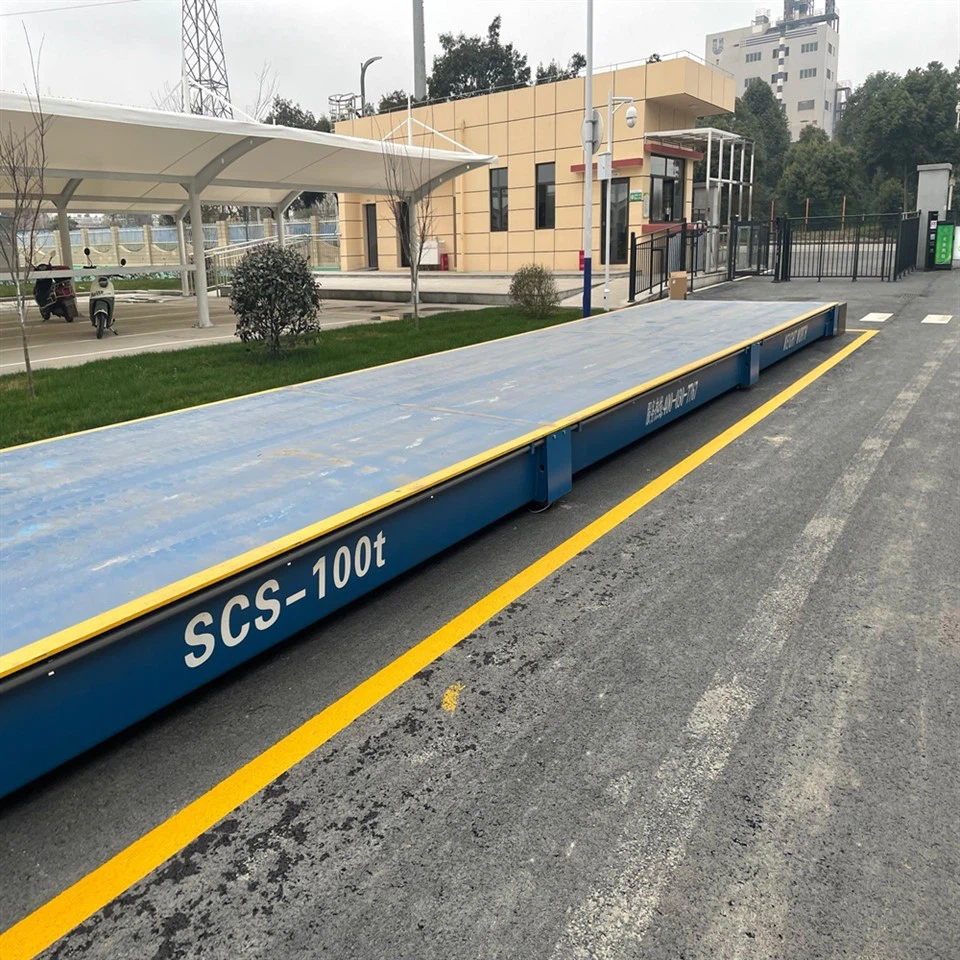
When it comes to weighing large and heavy items, low profile floor scales are an indispensable tool in various industries. These scales are designed to provide a flat and stable surface for weighing everything from pallets of goods to industrial equipment. But the question that often arises is: how accurate are low profile floor scales? As a supplier of Low Profile Floor Scales, I am here to delve into this topic and shed light on the factors that influence the accuracy of these essential weighing devices.
Understanding Low Profile Floor Scales
Low profile floor scales are characterized by their low height, which allows for easy loading and unloading of items. They are typically used in warehouses, manufacturing facilities, shipping docks, and other industrial settings where heavy loads need to be weighed quickly and efficiently. These scales come in various sizes and capacities, ranging from a few hundred pounds to several tons. They can be made from different materials, such as Carbon Steel Floor Scales, which offer durability and strength, and are often equipped with ramps for easier access, like Floor Scales with Ramps.
Factors Affecting Accuracy
Several factors can influence the accuracy of low profile floor scales. Understanding these factors is crucial for ensuring that the scales provide reliable and consistent weighing results.
1. Load Cell Quality
Load cells are the heart of any weighing scale, including low profile floor scales. They are responsible for converting the force exerted by the load into an electrical signal that can be measured and displayed as a weight reading. High-quality load cells are designed to provide accurate and precise measurements over a wide range of loads. They are also more resistant to environmental factors, such as temperature changes and humidity, which can affect their performance. When selecting a low profile floor scale, it is essential to choose one that is equipped with high-quality load cells to ensure accurate weighing results.
2. Scale Construction
The construction of the scale itself can also have a significant impact on its accuracy. A well-built scale will have a sturdy frame and a flat, level weighing surface. This helps to distribute the load evenly across the load cells, ensuring that the weight is measured accurately. Additionally, the scale should be properly calibrated and maintained to ensure that it continues to provide accurate readings over time. Scales that are poorly constructed or have a damaged frame may not provide accurate results, even if they are equipped with high-quality load cells.
3. Environmental Conditions
Environmental conditions can also affect the accuracy of low profile floor scales. Temperature changes, humidity, and vibration can all cause the load cells to expand or contract, which can lead to inaccurate weight readings. To minimize the impact of environmental factors, it is important to install the scale in a stable, temperature-controlled environment. If the scale is used in an outdoor or industrial setting, it may be necessary to use a scale that is specifically designed to withstand harsh environmental conditions.
4. Loading and Unloading
The way in which the load is placed on the scale can also affect its accuracy. It is important to ensure that the load is centered on the weighing surface and that it is evenly distributed. Uneven loading can cause the load cells to be overloaded or underloaded, which can lead to inaccurate weight readings. Additionally, it is important to avoid sudden or jerky movements when loading or unloading the scale, as this can also affect the accuracy of the measurement.
Calibration and Maintenance
Regular calibration and maintenance are essential for ensuring the accuracy of low profile floor scales. Calibration involves comparing the scale's readings to a known standard weight to ensure that it is providing accurate measurements. This should be done at least once a year, or more frequently if the scale is used frequently or in a harsh environment.
In addition to calibration, it is also important to perform regular maintenance on the scale. This includes cleaning the weighing surface, checking the load cells for damage, and inspecting the scale for any signs of wear or tear. By performing regular maintenance, you can help to ensure that the scale continues to provide accurate and reliable weighing results over time.


Testing the Accuracy of Low Profile Floor Scales
To determine the accuracy of a low profile floor scale, it is important to perform a series of tests. These tests can help to identify any issues with the scale and ensure that it is providing accurate measurements.
1. Zero Balance Test
The zero balance test is the first step in testing the accuracy of a low profile floor scale. This test involves placing the scale on a flat, level surface and ensuring that the display reads zero when there is no load on the scale. If the scale does not read zero, it may be necessary to adjust the zero balance or calibrate the scale.
2. Span Test
The span test involves placing a known weight on the scale and comparing the scale's reading to the known weight. This test helps to ensure that the scale is providing accurate measurements over its entire range of capacity. If the scale's reading is significantly different from the known weight, it may be necessary to calibrate the scale or replace the load cells.
3. Linearity Test
The linearity test involves placing a series of weights on the scale and comparing the scale's readings to the known weights. This test helps to ensure that the scale is providing accurate measurements over its entire range of capacity and that the load cells are responding linearly to the applied load. If the scale's readings are not linear, it may be necessary to calibrate the scale or replace the load cells.
Conclusion
In conclusion, the accuracy of low profile floor scales depends on several factors, including load cell quality, scale construction, environmental conditions, and loading and unloading procedures. By choosing a high-quality scale, installing it in a stable environment, and performing regular calibration and maintenance, you can ensure that the scale provides accurate and reliable weighing results over time.
As a supplier of Low Profile Floor Scales, I understand the importance of accuracy in weighing applications. That's why we offer a wide range of high-quality scales that are designed to meet the needs of various industries. Our scales are equipped with high-quality load cells, have a sturdy construction, and are calibrated to ensure accurate measurements.
If you are in the market for a low profile floor scale, I encourage you to contact us to discuss your specific requirements. Our team of experts can help you choose the right scale for your application and provide you with the support and guidance you need to ensure that the scale performs accurately and reliably. We look forward to the opportunity to work with you and help you find the perfect weighing solution for your business.
References
- ASTM International. (2019). Standard Specification for Nonautomated Weighing Instruments. ASTM E617 - 19.
- OIML International Organization of Legal Metrology. (2018). R76 - 1:2018 Non - automatic weighing instruments - Part 1: Metrological and technical requirements - Tests.