In the world of industrial and commercial weighing, electronic bench scales have become an indispensable tool. They are used in a wide range of applications, from small retail stores to large manufacturing plants. But the question that often arises is: How accurate are electronic bench scales? As a supplier of electronic bench scales, I have extensive knowledge and experience in this field, and I'm here to shed some light on this crucial topic.
Understanding the Basics of Electronic Bench Scales
Before delving into their accuracy, it's essential to understand how electronic bench scales work. These scales typically use load cells, which are sensors that convert force (in this case, the weight of an object) into an electrical signal. The signal is then processed by a microprocessor, which displays the weight on a digital screen. The accuracy of an electronic bench scale depends on several factors, including the quality of the load cells, the calibration process, and the environmental conditions in which the scale is used.
Factors Affecting the Accuracy of Electronic Bench Scales
Quality of Load Cells
Load cells are the heart of an electronic bench scale. High - quality load cells are designed to provide precise and consistent measurements over a long period. They are made from materials such as stainless steel or aluminum and are engineered to withstand various levels of stress. Cheaper load cells may be more prone to errors due to factors like temperature changes, overloading, and mechanical wear. As a supplier, we ensure that our electronic bench scales are equipped with top - of - the - line load cells to guarantee accurate measurements.
Calibration
Calibration is a critical process that determines the accuracy of an electronic bench scale. A scale must be calibrated regularly to ensure that it provides accurate readings. Calibration involves comparing the scale's measurements to a known standard weight. If the scale's reading deviates from the standard weight, adjustments are made to correct the error. There are two main types of calibration: internal and external. Internal calibration is performed by the scale itself, while external calibration requires the use of a certified calibration weight. We recommend that our customers have their scales calibrated at least once a year, or more frequently if they are used in high - precision applications.
Environmental Conditions
The environment in which an electronic bench scale is used can also affect its accuracy. Temperature, humidity, and vibration can all cause fluctuations in the scale's readings. For example, extreme temperatures can cause the load cells to expand or contract, leading to inaccurate measurements. High humidity can also damage the electronic components of the scale. To mitigate these effects, we offer a range of electronic bench scales that are designed to operate in different environmental conditions. For instance, our Explosion Proof Bench Scales are suitable for use in hazardous environments where there is a risk of explosion, while our Carbon Steel Bench Scales are more resistant to wear and tear in industrial settings.
Accuracy Standards and Certifications
In the weighing industry, there are several accuracy standards and certifications that ensure the reliability of electronic bench scales. For example, the National Institute of Standards and Technology (NIST) in the United States sets standards for weighing equipment. Scales that meet NIST requirements are considered to be accurate and reliable. In addition, the International Organization for Standardization (ISO) also has standards for weighing equipment, which are recognized globally. As a supplier, we ensure that all our electronic bench scales meet or exceed these standards. Our scales are tested and certified to provide accurate measurements within a specified tolerance range.
Applications and Accuracy Requirements
The accuracy requirements of electronic bench scales vary depending on the application. In some industries, such as pharmaceuticals and precious metals, high accuracy is essential. Even a small error in measurement can have significant consequences, such as incorrect dosing of medications or inaccurate valuation of precious metals. In these cases, we recommend our Label Printing Bench Scales, which are capable of providing precise measurements and can also print labels with weight information.

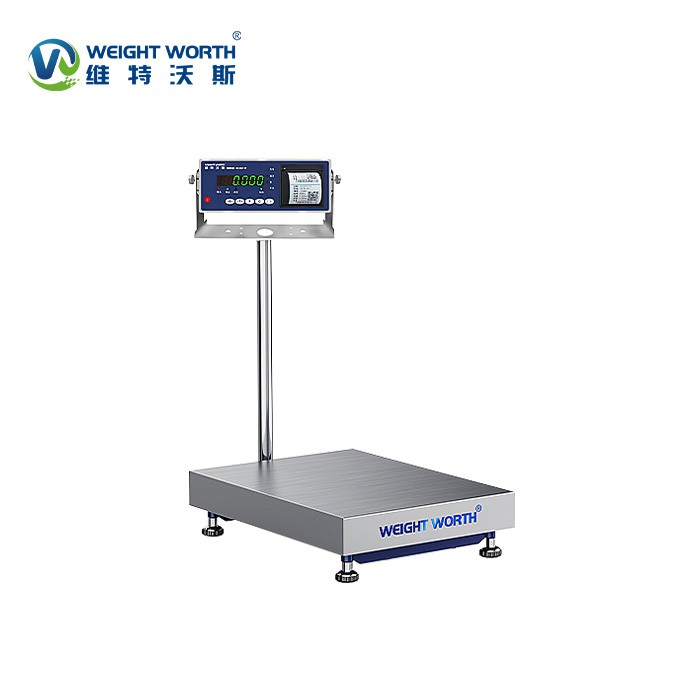
On the other hand, in industries such as agriculture or general manufacturing, a lower level of accuracy may be acceptable. For example, when weighing bulk materials like grains or raw materials, a small margin of error may not be critical. However, it's still important to ensure that the scale provides consistent and reliable measurements.
Maintaining Accuracy Over Time
To ensure that an electronic bench scale maintains its accuracy over time, proper maintenance is required. This includes keeping the scale clean, protecting it from physical damage, and following the manufacturer's instructions for use and calibration. Regularly inspecting the scale for any signs of wear or damage, such as loose cables or a damaged display, can also help prevent accuracy issues.
Conclusion
In conclusion, the accuracy of electronic bench scales depends on multiple factors, including the quality of load cells, calibration, environmental conditions, and the specific application. As a supplier, we are committed to providing high - quality electronic bench scales that meet the diverse needs of our customers. Our scales are designed to be accurate, reliable, and durable, and we offer a range of options to suit different industries and applications.
If you are in the market for electronic bench scales and want to ensure the highest level of accuracy for your business, we invite you to contact us for a detailed discussion. Our team of experts can help you select the right scale for your specific requirements and provide you with all the necessary information and support. Whether you need a scale for a small retail store or a large manufacturing plant, we have the solution for you.
References
- "Weighing Equipment Standards and Regulations," National Institute of Standards and Technology.
- "ISO Standards for Weighing Equipment," International Organization for Standardization.
- "Principles of Electronic Weighing," Industrial Weighing Association.