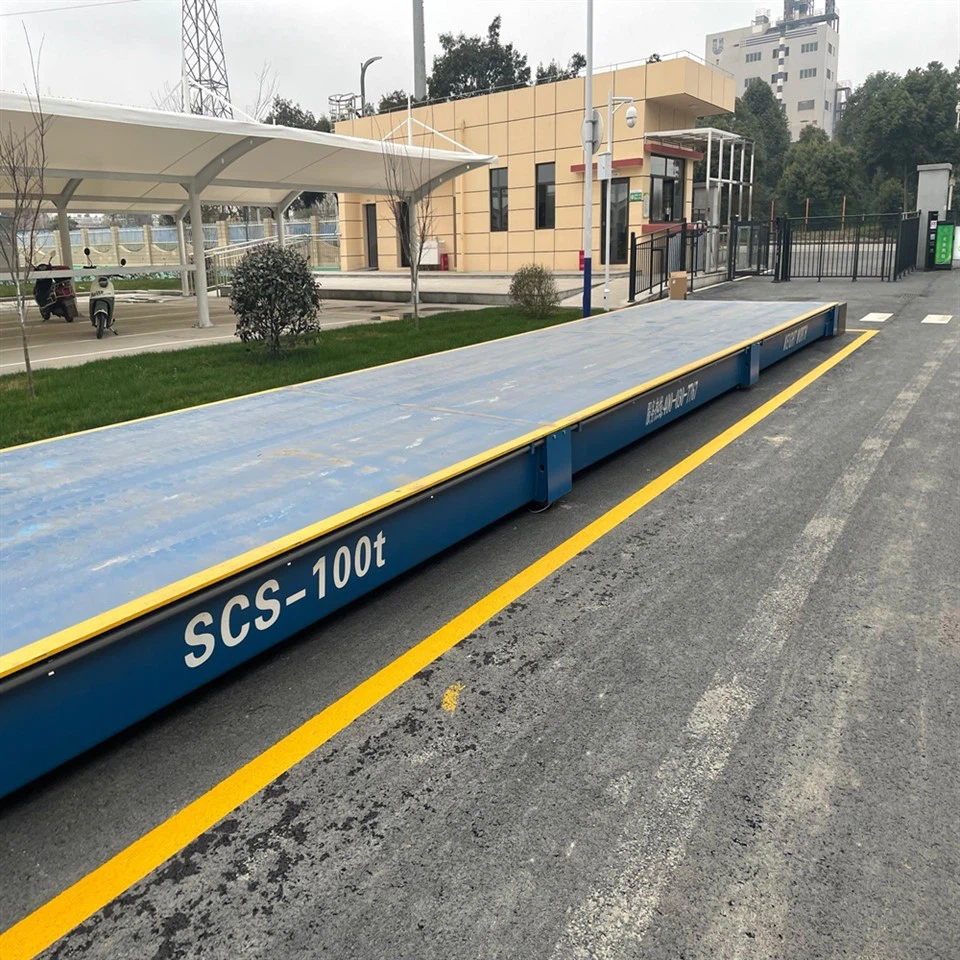
Hey there! As a supplier of industrial floor scales, I often get asked if these scales have a data logging function. Well, the short answer is yes, many of them do. But let's dive deeper into this topic and explore what data logging means for industrial floor scales, why it's important, and how it can benefit your business.
What is Data Logging?
Data logging is the process of recording and storing data over a period of time. In the context of industrial floor scales, it means capturing and saving information about the weight of the items being weighed. This data can include details like the weight at a specific time, the total weight of multiple items, and even the frequency of weighing.
Think of it as a digital diary for your weighing operations. Instead of manually writing down weights on a piece of paper, the scale does it for you, and you can access this information whenever you need it. This not only saves time but also reduces the risk of human error.
Why is Data Logging Important for Industrial Floor Scales?
Quality Control
In industries where precision is key, such as manufacturing or food processing, data logging helps ensure that products meet the required weight standards. By recording the weight of each item, you can easily identify any deviations from the norm. For example, if you're producing packages of a certain weight, you can quickly spot if a batch is under or over the specified weight, allowing you to take corrective action immediately.
Inventory Management
Accurate weight data is crucial for inventory management. With data logging, you can keep track of the quantity of goods in stock based on their weight. This is especially useful for items that are sold by weight, like raw materials or bulk products. You can monitor the usage of inventory over time, predict when you'll need to reorder, and avoid overstocking or running out of essential items.
Regulatory Compliance
Many industries are subject to strict regulations regarding product weight and quality. Data logging provides a reliable way to demonstrate compliance with these regulations. You can generate reports that show the weight data for a specific period, which can be used for audits or inspections. This helps you avoid costly fines and maintain a good reputation in the market.
Types of Industrial Floor Scales with Data Logging Function
Stainless Steel Floor Scales
Stainless Steel Floor Scales are known for their durability and resistance to corrosion. They are commonly used in industries such as food and beverage, pharmaceuticals, and chemical processing. These scales often come with advanced data logging capabilities, allowing you to record and store weight data in a secure and reliable manner. The stainless steel construction ensures that the scale can withstand harsh environments and frequent cleaning, making it ideal for applications where hygiene is a top priority.
Low Profile Floor Scales
Low Profile Floor Scales are designed to be close to the ground, making them easy to load and unload. They are suitable for a wide range of applications, including warehouses, shipping and receiving, and manufacturing facilities. Many low profile floor scales are equipped with data logging features, which can be integrated with other systems such as barcode scanners or inventory management software. This allows for seamless data transfer and real-time monitoring of weighing operations.
Explosion Proof Floor Scales
Explosion Proof Floor Scales are specifically designed for use in hazardous environments where there is a risk of explosion. These scales are built to meet strict safety standards and are often used in industries such as oil and gas, mining, and chemical manufacturing. Despite the challenging conditions, explosion proof floor scales can also have data logging capabilities. This allows you to monitor the weight of materials in a safe and efficient manner, while still complying with safety regulations.
How Does Data Logging Work on Industrial Floor Scales?
Most modern industrial floor scales with data logging function use a combination of hardware and software. The scale itself is equipped with sensors that measure the weight of the items placed on it. This data is then transmitted to a control unit, which can be either built into the scale or connected externally.
The control unit stores the weight data in its memory, usually in a file format that can be easily accessed and analyzed. Some scales also allow you to connect to a computer or a network, enabling you to transfer the data to a database or a spreadsheet for further processing.
Many data logging systems come with user-friendly software that allows you to customize the logging settings. You can set the frequency of data recording, specify the time period for which the data will be stored, and even generate reports based on the logged data.
Choosing the Right Industrial Floor Scale with Data Logging Function
When selecting an industrial floor scale with data logging function, there are several factors to consider:
Capacity and Accuracy
The scale should be able to handle the maximum weight of the items you need to weigh, with a high level of accuracy. Make sure to choose a scale with a capacity that is slightly higher than your expected maximum load to ensure reliable performance.
Data Storage and Retrieval
Consider the amount of data storage the scale offers and how easy it is to retrieve the data. Some scales have limited memory, while others can store large amounts of data for extended periods. Look for a scale that allows you to easily transfer the data to a computer or other storage device.
Compatibility
If you plan to integrate the scale with other systems, such as inventory management software or barcode scanners, make sure the scale is compatible with these systems. Check the communication protocols and interfaces supported by the scale to ensure seamless integration.
Durability and Reliability
Industrial environments can be harsh, so the scale should be built to withstand the rigors of daily use. Look for a scale made from high-quality materials and with a robust construction. Consider factors such as resistance to corrosion, impact, and moisture.
Conclusion
In conclusion, data logging is a valuable feature for industrial floor scales. It offers numerous benefits, including quality control, inventory management, and regulatory compliance. There are different types of industrial floor scales with data logging capabilities, such as stainless steel floor scales, low profile floor scales, and explosion proof floor scales.


When choosing an industrial floor scale with data logging function, it's important to consider factors like capacity, accuracy, data storage, compatibility, and durability. By selecting the right scale, you can improve the efficiency and accuracy of your weighing operations, and ultimately, enhance the overall performance of your business.
If you're interested in learning more about our industrial floor scales with data logging function or have any questions about how they can benefit your business, feel free to reach out. We're here to help you find the perfect solution for your weighing needs.
References
- "Industrial Weighing Technology" by Industrial Weighing Association
- "Data Logging in Industrial Applications" by Journal of Industrial Automation