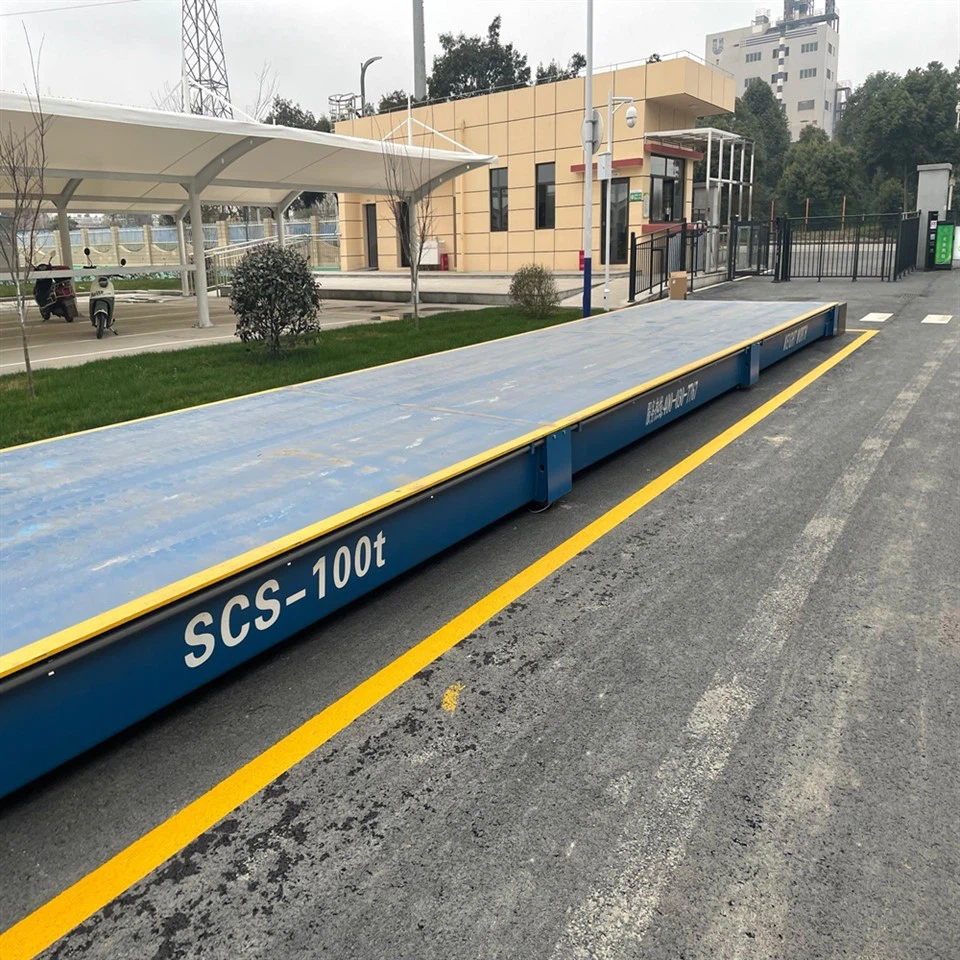
In the textile transportation industry, efficiency and accuracy are of paramount importance. One technology that has been gaining traction in various transportation sectors is unattended truck scales. As a supplier of Unattended Truck Scales, I am often asked whether these scales can be effectively used in textile transportation. In this blog post, I will delve into the feasibility, benefits, and considerations of using unattended truck scales in the context of textile transportation.
The Need for Accurate Weighing in Textile Transportation
Textile products, whether raw materials like cotton or finished goods such as clothing, are often transported in large quantities. The weight of these shipments can have a significant impact on various aspects of the transportation process. For carriers, accurate weight measurement is crucial for determining shipping costs, ensuring compliance with weight limits on roads and bridges, and optimizing load distribution to prevent damage to the vehicle and the cargo. On the other hand, textile manufacturers and distributors rely on accurate weight data for inventory management, quality control, and invoicing purposes.
How Unattended Truck Scales Work
Unattended truck scales are designed to operate without the need for constant human supervision. They typically consist of a weighing platform, load cells to measure the weight, and a control system that can communicate with other devices such as printers, barcode scanners, and computer networks. When a truck drives onto the scale, the load cells detect the weight and transmit the data to the control system. The system can then process the information, generate a weight ticket, and even store the data for future reference.
One of the key features of unattended truck scales is their ability to integrate with other technologies. For example, they can be connected to a vehicle identification system, such as a radio-frequency identification (RFID) reader, to automatically identify the truck and its associated information. This can streamline the weighing process and reduce the potential for human error. Additionally, unattended truck scales can be programmed to perform various functions, such as calculating the net weight of the cargo by subtracting the tare weight of the truck, and generating reports based on the weight data.
Benefits of Using Unattended Truck Scales in Textile Transportation
1. Increased Efficiency
In a busy textile transportation environment, time is money. Unattended truck scales can significantly reduce the time required for weighing trucks. Since the scales can operate automatically, trucks can be weighed quickly and without the need for a dedicated operator. This can lead to faster turnaround times at loading and unloading facilities, allowing carriers to make more trips and increase their overall productivity.
2. Improved Accuracy
Manual weighing processes are prone to human error, which can result in inaccurate weight measurements. Unattended truck scales, on the other hand, use advanced load cell technology to provide highly accurate weight readings. This can help textile manufacturers and distributors ensure that they are paying or charging the correct amount for transportation based on the actual weight of the cargo. Additionally, accurate weight data can be used for quality control purposes, such as ensuring that the correct amount of raw materials is being used in the manufacturing process.
3. Cost Savings
By eliminating the need for a full-time operator, unattended truck scales can reduce labor costs. Moreover, the increased efficiency and accuracy of these scales can lead to cost savings in other areas as well. For example, accurate weight measurements can help carriers avoid overloading their trucks, which can result in fines and increased wear and tear on the vehicle. In addition, textile manufacturers and distributors can use the weight data to optimize their inventory management and reduce waste.
4. Data Management
Unattended truck scales can store and manage weight data electronically, making it easy to access and analyze. This can be particularly useful for textile companies that need to keep track of their shipments and monitor their transportation costs. The data can be used to generate reports, identify trends, and make informed decisions about future transportation needs.
Considerations for Using Unattended Truck Scales in Textile Transportation
1. Scale Capacity and Size
When choosing an unattended truck scale for textile transportation, it is important to consider the capacity and size of the scale. Textile shipments can vary in weight, so the scale should be able to handle the maximum weight of the trucks and their cargo. Additionally, the size of the scale should be appropriate for the type of trucks that will be using it. For example, if the transportation involves large tractor-trailers, a larger scale may be required.
2. Environmental Conditions
Textile transportation often takes place in a variety of environmental conditions, including extreme temperatures, humidity, and dust. Unattended truck scales should be designed to withstand these conditions and continue to provide accurate weight measurements. Some scales are equipped with protective features, such as sealed load cells and weatherproof enclosures, to ensure reliable operation in harsh environments.


3. Integration with Existing Systems
Textile companies may already have existing systems in place for inventory management, invoicing, and transportation logistics. When implementing unattended truck scales, it is important to ensure that they can be integrated with these systems. This can help streamline the overall process and ensure that the weight data is seamlessly incorporated into the existing workflow.
4. Maintenance and Support
Like any other equipment, unattended truck scales require regular maintenance and support to ensure optimal performance. It is important to choose a supplier that offers comprehensive maintenance services and technical support. This can help minimize downtime and ensure that the scales are always operating at their best.
Types of Unattended Truck Scales Suitable for Textile Transportation
1. Steel Deck Truck Scales
Steel Deck Truck Scales are a popular choice for textile transportation. They are known for their durability and strength, making them suitable for heavy-duty use. Steel deck scales can withstand the weight of large trucks and are resistant to corrosion and wear. They also offer a smooth surface for trucks to drive on, which can help prevent damage to the tires and the cargo.
2. Digital Portable Truck Scales
Digital Portable Truck Scales are another option for textile transportation, especially for companies that need to weigh trucks at multiple locations. These scales are lightweight and easy to transport, making them ideal for temporary or mobile weighing applications. Digital portable scales offer high accuracy and can be quickly set up and calibrated.
3. Unattended Truck Scales
Our Unattended Truck Scales are specifically designed to meet the needs of the textile transportation industry. They offer all the benefits of unattended operation, including increased efficiency, accuracy, and data management. Our scales are also customizable, allowing us to tailor them to the specific requirements of each customer.
Conclusion
In conclusion, unattended truck scales can be a valuable tool for the textile transportation industry. They offer numerous benefits, including increased efficiency, improved accuracy, cost savings, and better data management. However, it is important to carefully consider the specific needs of your business and choose the right type of scale for your application. As a supplier of Unattended Truck Scales, we have the expertise and experience to help you select the most suitable scale for your textile transportation needs. If you are interested in learning more about our products or discussing your specific requirements, please feel free to contact us. We look forward to working with you to improve the efficiency and accuracy of your textile transportation operations.
References
- "Truck Scale Handbook" by Scale-Tronix
- "Weighing Technology for the Transportation Industry" by Avery Weigh-Tronix
- Industry reports on textile transportation and weighing technology.