Hey there! As a supplier of electronic bench scales, I often get asked if these nifty devices can be used in a laboratory setting. Well, let's dive right into it and explore this topic.
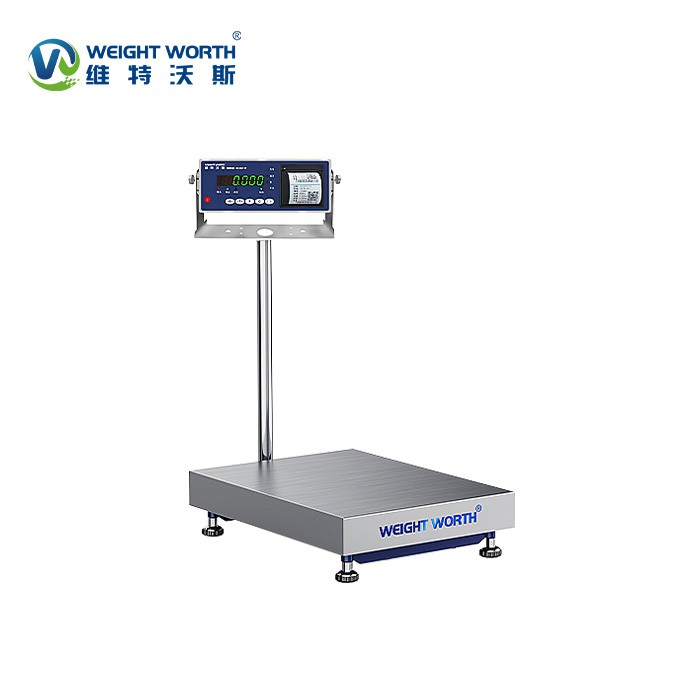
First off, what are electronic bench scales? They're basically weighing devices that sit on a bench or table. They come in all sorts of shapes and sizes, with different features and capabilities. You've got Label Printing Bench Scales, which can print labels with weight information. Handy for inventory management or shipping, right? Then there are Explosion Proof Bench Scales, designed for use in hazardous environments where there's a risk of explosions. And let's not forget Carbon Steel Bench Scales, known for their durability and strength.
Now, can these scales be used in a laboratory? The answer is a big fat yes! In fact, they can be super useful in a lab environment.
Accuracy and Precision
One of the most important things in a laboratory is accuracy and precision. Electronic bench scales are designed to provide highly accurate weight measurements. Most modern scales use load cells, which are incredibly sensitive and can detect even the slightest changes in weight. This is crucial in a lab, where even a tiny error in measurement can have a big impact on the results of an experiment.
For example, in a chemistry lab, you might need to measure out a specific amount of a chemical compound. An electronic bench scale can give you a precise measurement, ensuring that your experiment is carried out correctly. And if you're working with small quantities, like in a pharmaceutical lab, the high accuracy of these scales becomes even more important.
Versatility
Another great thing about electronic bench scales is their versatility. They can be used to weigh all sorts of things, from small samples to larger items. Some scales have a wide range of weighing capacities, so you can choose the one that's right for your needs.
In a biology lab, you might use a bench scale to weigh specimens, like plants or small animals. In a materials science lab, you could use it to measure the weight of different materials, such as metals or polymers. And in a food science lab, you can weigh ingredients for recipes or test the weight of food products.
Ease of Use
Let's face it, nobody wants to deal with a complicated weighing device in a lab. Electronic bench scales are generally very easy to use. They usually have a simple interface with a digital display that shows the weight clearly. Most scales also have features like tare function, which allows you to zero out the weight of a container so you can measure just the contents.
This ease of use means that lab technicians can quickly and efficiently weigh their samples without having to spend a lot of time learning how to operate the scale. It also reduces the risk of human error, which is always a good thing in a lab.
Durability
Laboratories can be tough environments. There might be spills, chemicals, and rough handling. That's why you need a scale that can stand up to these conditions. Electronic bench scales, especially those made from materials like carbon steel, are very durable.

They can withstand the wear and tear of daily use in a lab. And if they do get dirty or contaminated, most scales are easy to clean. You can simply wipe them down with a damp cloth or use a mild cleaning solution.
Data Management
In today's digital age, data management is crucial. Many electronic bench scales come with features that allow you to connect them to a computer or other devices. This means you can easily record and analyze the weight data.
You can use software to store the data, create reports, and even share it with other researchers. This is especially useful in a research lab, where you might need to keep track of a large amount of data over time.
Considerations
Of course, there are a few things to consider when using electronic bench scales in a laboratory.
First, you need to make sure the scale is calibrated regularly. Calibration ensures that the scale is providing accurate measurements. You can either do this yourself using calibration weights or have it done by a professional.
Second, you need to choose the right scale for your specific needs. Consider the weighing capacity, accuracy, and features that are important to you. For example, if you need to weigh very small samples, you'll want a scale with a high level of precision.
Finally, you need to follow the manufacturer's instructions for use and maintenance. This will help ensure that your scale lasts a long time and continues to provide accurate measurements.
Conclusion
So, to sum it up, electronic bench scales can definitely be used in a laboratory. They offer accuracy, precision, versatility, ease of use, durability, and data management capabilities. Whether you're working in a chemistry, biology, materials science, or any other type of lab, a bench scale can be a valuable tool.
If you're in the market for an electronic bench scale for your laboratory, I'd love to help. We offer a wide range of high-quality scales to suit different needs and budgets. Just get in touch with us, and we can discuss your requirements and find the perfect scale for you. Let's work together to make your laboratory operations more efficient and accurate!
References
- Various industry reports on electronic weighing technology
- Manufacturer's documentation for electronic bench scales