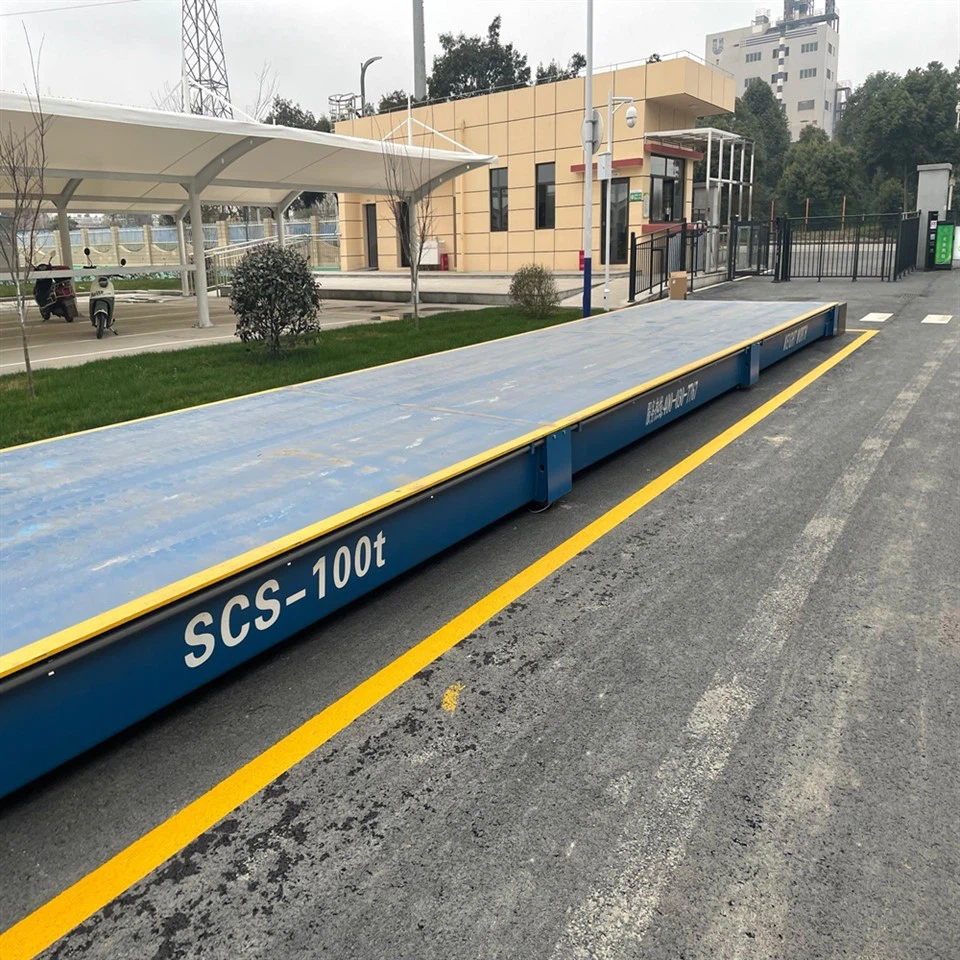
As a supplier of Static Load Weigh Modules, I often encounter inquiries from customers about the suitability of these modules for high - precision weighing. In this blog post, I will delve into the characteristics of Static Load Weigh Modules and analyze whether they are indeed appropriate for high - precision weighing applications.
Understanding Static Load Weigh Modules
Static Load Weigh Modules are designed to measure the weight of static or slowly changing loads. They consist of a load cell, a mounting base, and a top plate. The load cell is the core component that converts the mechanical force exerted by the load into an electrical signal. The mounting base provides a stable foundation, while the top plate distributes the load evenly across the load cell.
These weigh modules are commonly used in applications such as tank weighing, silo weighing, and platform scales. In these scenarios, the load is relatively stable, and the main requirement is to accurately measure the weight of the contents or objects placed on the weighing system.
Factors Affecting High - Precision Weighing
To determine whether Static Load Weigh Modules are suitable for high - precision weighing, we need to consider several key factors:
Accuracy of Load Cells
The accuracy of the load cell is the most critical factor in high - precision weighing. High - quality load cells can achieve very low levels of error, typically expressed as a percentage of the rated capacity. For example, a load cell with an accuracy of ±0.02% can provide highly accurate weight measurements. When selecting Static Load Weigh Modules, it is essential to choose load cells with appropriate accuracy levels based on the specific requirements of the application.
Resolution
Resolution refers to the smallest change in weight that the weighing system can detect. A higher resolution allows for more precise measurements. Static Load Weigh Modules with high - resolution load cells can detect even minor changes in weight, which is crucial for applications where small variations need to be monitored.
Repeatability
Repeatability is the ability of the weighing system to provide consistent results when measuring the same load multiple times. Good repeatability ensures that the measurements are reliable and can be trusted. Static Load Weigh Modules with excellent repeatability are more likely to meet the requirements of high - precision weighing applications.
Environmental Factors
Environmental factors such as temperature, humidity, and vibration can significantly affect the accuracy of weighing measurements. Static Load Weigh Modules are often designed to be resistant to these environmental factors. For example, some load cells are temperature - compensated to minimize the impact of temperature changes on the measurement results. However, in extreme environments, additional measures may be required to ensure high - precision weighing.
Advantages of Static Load Weigh Modules for High - Precision Weighing
There are several advantages that make Static Load Weigh Modules well - suited for high - precision weighing:


Stable Load Measurement
Since these modules are designed for static or slowly changing loads, they can provide stable and accurate weight measurements. In applications where the load remains relatively constant, such as in a storage tank or a silo, Static Load Weigh Modules can maintain high levels of accuracy over time.
Customizability
Static Load Weigh Modules can be customized to meet the specific requirements of different applications. For example, the capacity of the load cell can be selected based on the maximum weight to be measured. Additionally, the mounting configuration can be tailored to fit the installation environment, ensuring optimal performance.
Compatibility with Existing Systems
These weigh modules can be easily integrated into existing weighing systems. They can be used to upgrade or replace old weighing components without significant modifications to the overall system. This makes them a cost - effective solution for improving the precision of weighing operations.
Limitations in High - Precision Weighing
Despite their advantages, Static Load Weigh Modules also have some limitations when it comes to high - precision weighing:
Limited Dynamic Response
As the name suggests, Static Load Weigh Modules are designed for static loads. They may not be suitable for applications where the load changes rapidly. In dynamic weighing scenarios, such as on a conveyor belt or in a filling machine, Dynamic Load Weigh Modules are more appropriate. These modules are specifically designed to handle the challenges of measuring moving or changing loads.
Susceptibility to External Forces
Although Static Load Weigh Modules are designed to be resistant to environmental factors, they can still be affected by external forces such as shock and impact. In applications where there is a risk of sudden shocks or vibrations, additional protection measures may be required to ensure the accuracy of the weighing system.
Comparison with Other Types of Weigh Modules
When considering high - precision weighing, it is also useful to compare Static Load Weigh Modules with other types of weigh modules:
Dynamic Load Weigh Modules
As mentioned earlier, Dynamic Load Weigh Modules are designed for applications where the load changes rapidly. They have a faster response time and can accurately measure the weight of moving objects. In contrast, Static Load Weigh Modules are better suited for static or slowly changing loads.
Static And Dynamic Weigh Modules
Some applications may require a combination of static and dynamic weighing capabilities. Static And Dynamic Weigh Modules are designed to handle both types of loads. They offer the flexibility to measure static loads with high precision and also adapt to dynamic weighing situations.
Explosion Proof Weigh Modules
In hazardous environments where there is a risk of explosion, Explosion Proof Weigh Modules are essential. These modules are designed to meet strict safety standards and can be used in applications such as chemical plants and oil refineries. While Static Load Weigh Modules can be used in non - hazardous high - precision weighing applications, explosion - proof versions may be required in certain industrial settings.
Conclusion
In conclusion, Static Load Weigh Modules can be suitable for high - precision weighing in many applications. They offer stable load measurement, customizability, and compatibility with existing systems. However, they also have limitations, especially in dynamic weighing scenarios. When choosing a weighing solution for high - precision applications, it is important to carefully consider the specific requirements of the application, including the nature of the load, the environmental conditions, and the desired level of accuracy.
If you are looking for high - quality Static Load Weigh Modules for your high - precision weighing needs, we are here to help. Our team of experts can provide you with professional advice and customized solutions. Contact us today to start a procurement discussion and find the best weighing solution for your business.
References
- O'Higgins, T. (2018). Industrial Weighing Technology. Springer.
- ISO 7500 - 1:2018. Metallic materials — Verification of static uniaxial testing machines — Part 1: Tension/compression testing machines — Verification and calibration of the force - measuring system.