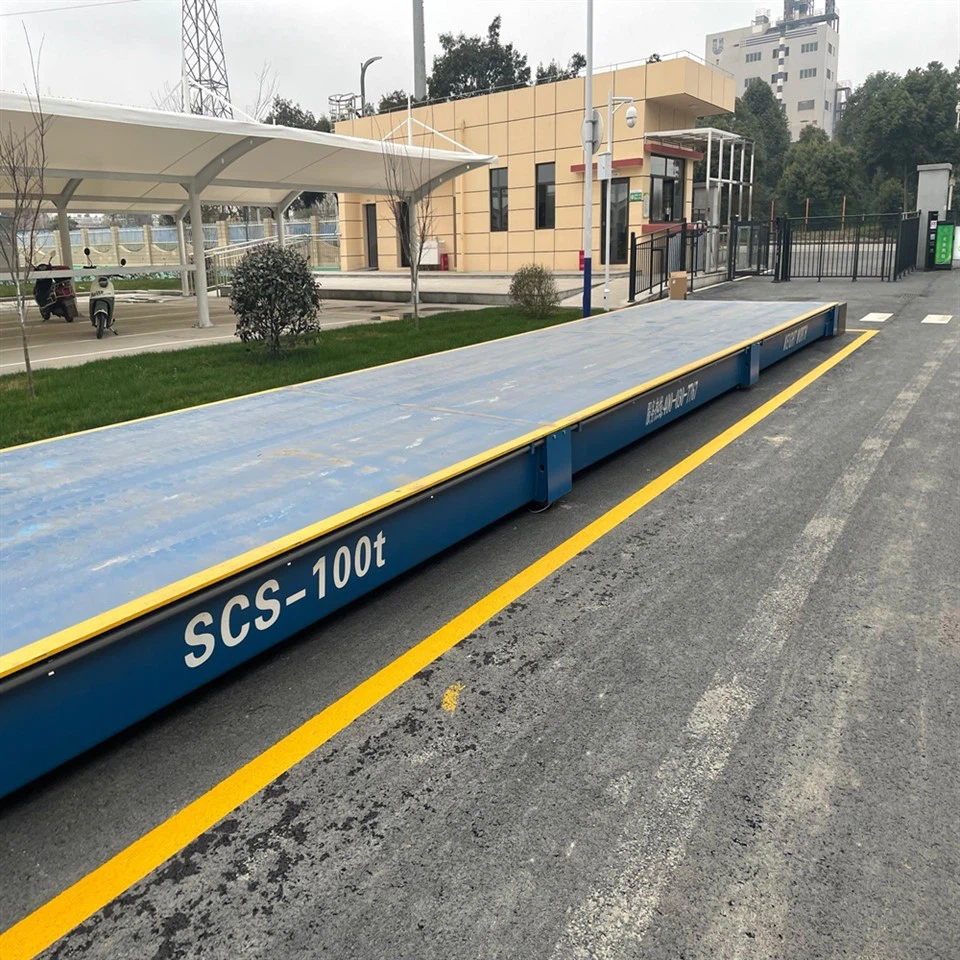
Are low profile floor scales suitable for weighing metals? That's a question I get asked a lot as a supplier of Low Profile Floor Scales. And let me tell you, it's not a one - size - fits - all answer. But I'm here to break it down for you.
First off, let's talk about what low profile floor scales are. These scales are designed to sit close to the ground. They're great for easy loading and unloading, especially when you're using pallet jacks or forklifts. Their low height means less of an incline for these machines to navigate, which can save you time and energy.
Now, when it comes to weighing metals, there are a few things to consider. Metals can be heavy, really heavy. Some common metals like steel, copper, and aluminum can have significant mass, and you need a scale that can handle it. Low profile floor scales come in a variety of weight capacities. You can find models that can handle a few hundred pounds up to several tons. So, if you're dealing with small batches of metal parts, a lower - capacity low profile floor scale might do the trick. But if you're weighing large steel beams or big drums of molten metal (although that's a whole different ballgame in terms of safety and handling), you'll need a high - capacity scale.


Another important factor is the durability of the scale. Metals can be rough on equipment. They might have sharp edges that could scratch or damage the scale surface. That's where the build quality of low profile floor scales comes in. Many of the Low Profile Floor Scales we supply are made with robust materials. For example, some have a stainless - steel platform. Stainless steel is not only resistant to corrosion but also can withstand a fair amount of abuse from heavy and sharp - edged metals. You can check out our Stainless Steel Floor Scales for more options.
Accuracy is also crucial when weighing metals. In industries where metals are bought and sold by weight, even a small error in measurement can lead to significant financial losses. Low profile floor scales are typically equipped with high - precision load cells. These load cells are designed to accurately measure the weight placed on the scale. They can provide consistent and reliable readings, which is essential for any metal - weighing operation.
But it's not all smooth sailing. There are some situations where low profile floor scales might not be the best choice. For instance, if you're working in a very wet or dirty environment, the low - lying design of these scales can make them more prone to collecting debris and water. This can potentially affect the performance of the scale over time. In such cases, you might want to consider Floor Scales with Pit Frames. These scales are installed in a pit, which can help keep them clean and protected from the elements.
Let's take a look at some real - world scenarios. Say you're a small - scale metal fabricator. You're working with a variety of metal sheets and bars. You need to weigh your raw materials before you start cutting and shaping them. A low profile floor scale would be perfect for this. You can easily roll your pallets of metal onto the scale using a pallet jack, get an accurate weight, and then get to work. The low profile makes it convenient, and the accuracy ensures you're using the right amount of material.
On the other hand, if you're a large - scale metal recycling plant, you're dealing with huge volumes of scrap metal. You might have trucks coming in and out all day, dumping loads of metal onto the scale. In this case, while a low profile floor scale can handle the weight, you might also need additional features like a large platform size and high - speed weighing capabilities. You'll also need to think about how to keep the scale clean and maintained, as the constant influx of dirty scrap metal can be a challenge.
In terms of maintenance, low profile floor scales are generally pretty easy to take care of. You just need to keep the platform clean and make sure the load cells are in good working condition. Regularly check for any signs of damage, like cracks in the platform or loose wires. Most manufacturers provide maintenance guidelines, and it's a good idea to follow them to ensure the longevity of your scale.
Now, let's talk about cost. Low profile floor scales can vary in price depending on their capacity, features, and build quality. But in general, they offer a good balance between cost and functionality. Compared to some other types of heavy - duty scales, they can be more affordable, especially for small and medium - sized businesses. And when you consider the time and effort they can save you in terms of loading and weighing, they're often a great investment.
So, are low profile floor scales suitable for weighing metals? The answer is, in most cases, yes. They offer convenience, accuracy, and durability, which are all important factors when it comes to weighing metals. But you need to carefully consider your specific needs, such as the weight of the metals you're dealing with, the environment in which you're working, and your budget.
If you're interested in learning more about our low profile floor scales or need help choosing the right scale for your metal - weighing needs, don't hesitate to reach out. We're here to assist you in finding the perfect solution for your business. Whether you're a small workshop or a large industrial facility, we have the expertise and the products to meet your requirements.
References
- General knowledge of industrial weighing equipment and metal - weighing applications.
- Product specifications and features of low profile floor scales, stainless steel floor scales, and floor scales with pit frames.