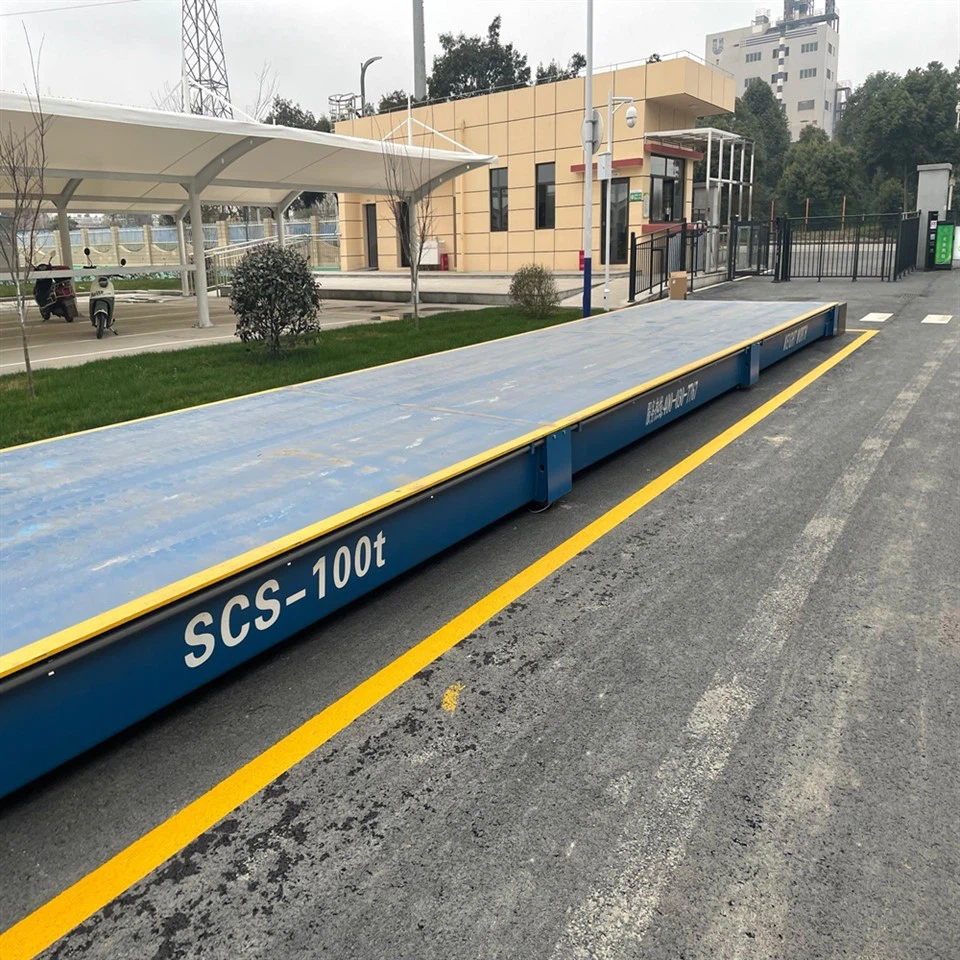
Are electronic floor scales easy to clean? This is a question that many potential buyers often ask, and as a leading supplier of electronic floor scales, I'm here to provide a comprehensive answer.
Understanding the Basics of Electronic Floor Scales
Before delving into the cleaning aspect, it's essential to understand what electronic floor scales are. These scales are designed to measure the weight of heavy objects, typically in industrial, commercial, or even some residential settings. They come in various types, such as Low Profile Floor Scales, Carbon Steel Floor Scales, and Floor Scales with Pit Frames. Each type has its unique features and applications, which can also influence the cleaning process.
Factors Affecting the Cleanliness of Electronic Floor Scales
1. Material of the Scale Surface
The material of the scale's surface plays a significant role in determining how easy it is to clean. For example, carbon steel floor scales are known for their durability. Carbon steel is a robust material that can withstand heavy loads and harsh environments. However, it can also be prone to rust if not properly maintained. Regular cleaning and the application of a protective coating can help prevent rust and keep the scale in good condition.
On the other hand, some scales may have a stainless - steel surface. Stainless steel is not only highly durable but also resistant to corrosion. It has a smooth surface that makes it relatively easy to wipe clean. Spills and debris can be quickly removed with a damp cloth, and it doesn't absorb stains easily.
2. Design and Structure
The design of the electronic floor scale can also impact its cleanliness. Low - profile floor scales, for instance, are designed to be close to the ground. This design can make them more accessible for loading and unloading heavy items. However, it may also mean that they are more likely to collect dirt and debris from the floor. The flat surface can be easily cleaned, but the edges and corners may require more attention.
Floor scales with pit frames are installed in a pit, which can protect the scale from damage and make it more level with the surrounding floor. While this design can be beneficial in terms of functionality, it can also make cleaning a bit more challenging. Debris can accumulate in the pit around the scale, and accessing these areas for cleaning may require some effort.
3. Usage Environment
The environment in which the electronic floor scale is used is another crucial factor. In a clean industrial environment where there is minimal dust and debris, the scale will generally be easier to keep clean. Regular wipe - downs with a clean cloth may be sufficient to maintain its cleanliness.
However, in a more demanding environment such as a construction site or a food processing plant, the scale will be exposed to more dirt, dust, and potentially corrosive substances. In a food processing plant, for example, the scale needs to be cleaned thoroughly to prevent cross - contamination. Special cleaning agents may be required to remove grease, food residues, and bacteria.
Cleaning Methods for Electronic Floor Scales
1. Regular Maintenance Cleaning
For daily or regular cleaning, a simple routine can be followed. Start by removing any loose debris from the scale surface. This can be done using a soft - bristled brush or a vacuum cleaner with a brush attachment. Pay special attention to the edges, corners, and any crevices where dirt can accumulate.


Next, dampen a clean cloth with a mild cleaning solution. Avoid using abrasive cleaners or harsh chemicals that can damage the scale's surface or electronic components. Gently wipe the entire surface of the scale, including the display and control panel. Dry the scale thoroughly with a clean, dry cloth to prevent water damage.
2. Deep Cleaning
Periodically, a more thorough deep cleaning may be necessary. This is especially important if the scale has been exposed to heavy dirt or contaminants. For scales with a carbon steel surface, a rust remover may be used if there are signs of rust. However, it's crucial to follow the manufacturer's instructions carefully to ensure that the scale is not damaged.
For scales used in food processing or other hygienic environments, a sanitizing solution may be required. After applying the sanitizing solution, allow it to sit for the recommended time to ensure effective disinfection. Rinse the scale thoroughly with clean water and dry it completely.
3. Cleaning the Electronic Components
The electronic components of the floor scale, such as the load cells and the display, need to be handled with care. When cleaning around these components, make sure that no water or cleaning solution gets into them. Use a dry, static - free cloth to gently wipe the display and other electronic parts.
Tips for Keeping Electronic Floor Scales Clean
- Establish a Cleaning Schedule: Set a regular cleaning schedule based on the scale's usage and the environment. This will ensure that the scale is cleaned before dirt and debris build up.
- Train Employees: If the scale is used in a workplace, make sure that employees are trained on the proper cleaning procedures. They should know how to handle the scale safely and how to clean it effectively.
- Use Protective Covers: Consider using protective covers when the scale is not in use. This can help prevent dust and debris from accumulating on the scale surface.
Conclusion
In conclusion, whether electronic floor scales are easy to clean depends on several factors, including the material of the scale surface, the design and structure, and the usage environment. While some scales may require more effort to clean than others, with the right cleaning methods and regular maintenance, it is possible to keep them in good condition.
As a supplier of electronic floor scales, we are committed to providing high - quality products that are not only accurate and reliable but also easy to maintain. If you are in the market for an electronic floor scale or need more information about cleaning and maintenance, please feel free to contact us. We are more than happy to assist you in finding the right scale for your needs and providing you with the necessary guidance on keeping it clean.
References
- "Industrial Scale Maintenance Guide," Industry Experts Publishing, 2022.
- "Materials and Their Impact on Scale Cleaning," Journal of Scale Technology, Vol. 15, No. 3, 2021.