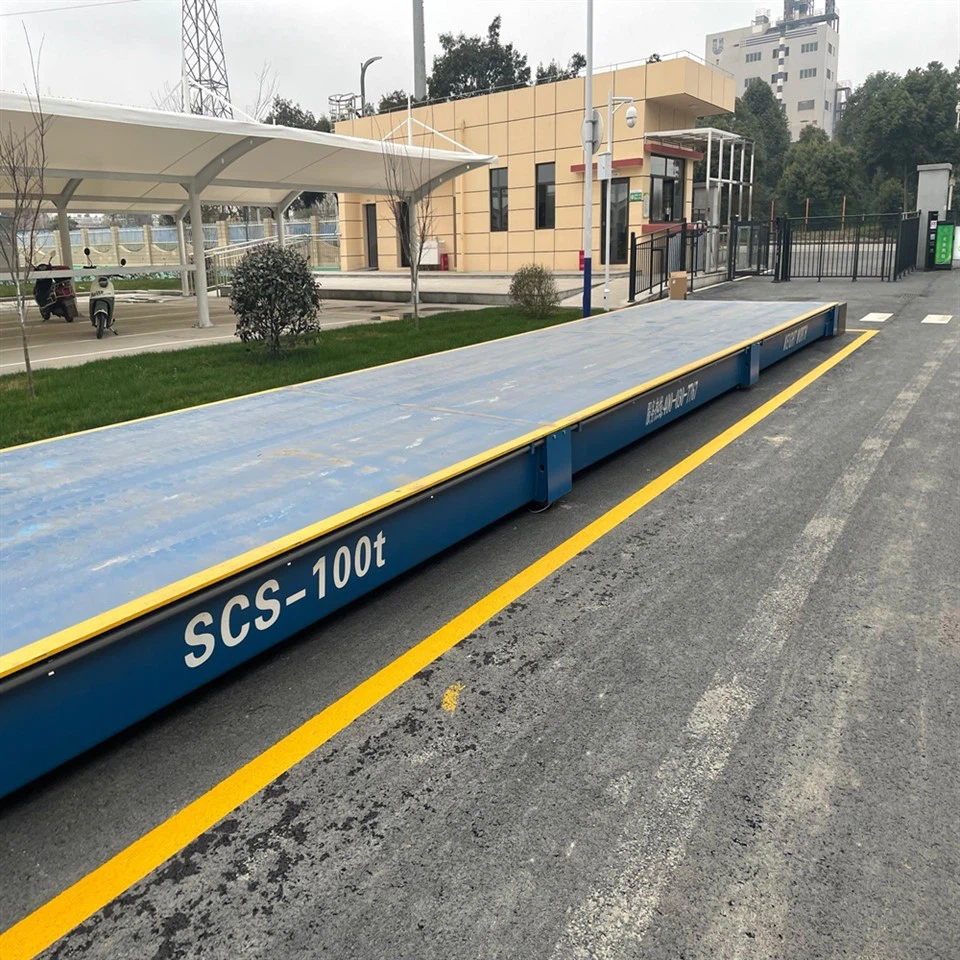
Hey there! As a supplier of Chemical Floor Scales, I often get asked whether these scales are suitable for a recycling plant. Well, let's dive right into it and explore this topic.


First off, let's understand what a recycling plant does. Recycling plants are places where all sorts of materials - from metals and plastics to paper and glass - are collected, sorted, and processed to be turned into new products. In such an environment, accurate weighing is crucial. It helps in determining the quantity of materials being recycled, calculating costs, and ensuring compliance with various regulations.
Now, let's talk about chemical floor scales. These scales are designed to handle tough and often harsh conditions. They're built to be durable and accurate, which are two key features that a recycling plant needs.
One of the main advantages of chemical floor scales in a recycling plant is their durability. Recycling plants can be pretty rough on equipment. There's a lot of heavy lifting, dropping, and movement of materials. Chemical floor scales are typically made from robust materials like stainless steel or carbon steel, which can withstand the wear and tear of daily use. For example, our Carbon Steel Floor Scales are known for their strength and longevity. They can handle heavy loads without getting damaged easily, making them a great choice for a recycling plant where large quantities of materials need to be weighed.
Accuracy is another important factor. In a recycling plant, even a small error in weighing can lead to significant financial losses or compliance issues. Chemical floor scales are equipped with high - precision sensors that can provide accurate weight measurements. This is essential for determining the value of the recycled materials, as many are sold based on their weight. Whether it's weighing a batch of scrap metal or a load of plastic bottles, accurate weighing ensures that both the recycler and the buyer get a fair deal.
In some recycling plants, there might be a risk of explosions, especially when dealing with certain chemicals or flammable materials. That's where Explosion Proof Floor Scales come in handy. These scales are designed to prevent sparks and other ignition sources, reducing the risk of an explosion in a potentially hazardous environment. They're built to meet strict safety standards, which is a must - have in a recycling plant that deals with volatile substances.
Another aspect to consider is the ease of use. Chemical floor scales are usually user - friendly, with simple interfaces that make it easy for operators to weigh materials quickly and efficiently. They often come with features like large digital displays, which can be read from a distance, and the ability to connect to other devices such as printers or computers for data recording. This is important in a recycling plant where time is of the essence, and operators need to be able to weigh materials and record the data as fast as possible.
However, it's not all sunshine and rainbows. There are a few potential drawbacks to using chemical floor scales in a recycling plant. One of the main concerns is the cost. High - quality chemical floor scales can be quite expensive, especially those with advanced features like explosion - proof capabilities or high - precision sensors. For some smaller recycling plants with limited budgets, this might be a significant barrier.
Maintenance is also an important consideration. While these scales are durable, they still require regular maintenance to ensure their accuracy and longevity. This includes cleaning, calibration, and checking for any signs of wear and tear. If maintenance is not done properly, the scales might start to give inaccurate readings, which can cause problems in the recycling process.
Now, let's talk about different types of materials that are recycled in a plant and how chemical floor scales can be used for each.
Metals: Scrap metal is one of the most common materials recycled in a plant. Chemical floor scales can accurately weigh large quantities of metal, whether it's in the form of sheets, bars, or small pieces. This helps in determining the value of the metal, as different types of metals have different prices per pound. For example, copper is more valuable than aluminum, so accurate weighing is essential for proper pricing.
Plastics: Recycling plastics also requires accurate weighing. Chemical floor scales can handle different types of plastic waste, from rigid plastics like bottles to flexible plastics like bags. By weighing the plastics, recyclers can determine how much material they have and plan their processing accordingly.
Paper: Paper recycling is another important part of the recycling industry. Chemical floor scales can be used to weigh large bales of paper, which helps in calculating the quantity of recycled paper and the cost of processing.
Glass: Glass recycling involves weighing large amounts of broken glass. Chemical floor scales can handle the weight of these glass fragments, ensuring that the recycling process is carried out efficiently.
In addition to weighing the recycled materials themselves, chemical floor scales can also be used in other aspects of the recycling plant. For example, they can be used to weigh the equipment and machinery used in the recycling process. This is important for maintenance and safety purposes, as overloading equipment can lead to breakdowns and accidents.
If you're running a recycling plant and are considering using chemical floor scales, here are a few tips. First, make sure to choose a scale that is suitable for the types of materials you'll be weighing. Consider the weight capacity, accuracy, and durability of the scale. Second, invest in proper training for your operators. They need to know how to use the scale correctly and how to perform basic maintenance tasks. Finally, establish a regular maintenance schedule to keep the scale in good working condition.
In conclusion, chemical floor scales can be a great fit for a recycling plant. Their durability, accuracy, and safety features make them well - suited for the demanding environment of a recycling facility. While there are some potential drawbacks like cost and maintenance, the benefits far outweigh the negatives.
If you're interested in learning more about our Chemical Floor Scales or are looking to purchase one for your recycling plant, feel free to reach out. We're here to help you find the right scale for your needs and ensure that your recycling operations run smoothly.
References
- General knowledge about recycling plants and industrial scales
- Product specifications of our Chemical Floor Scales, Carbon Steel Floor Scales, and Explosion Proof Floor Scales